
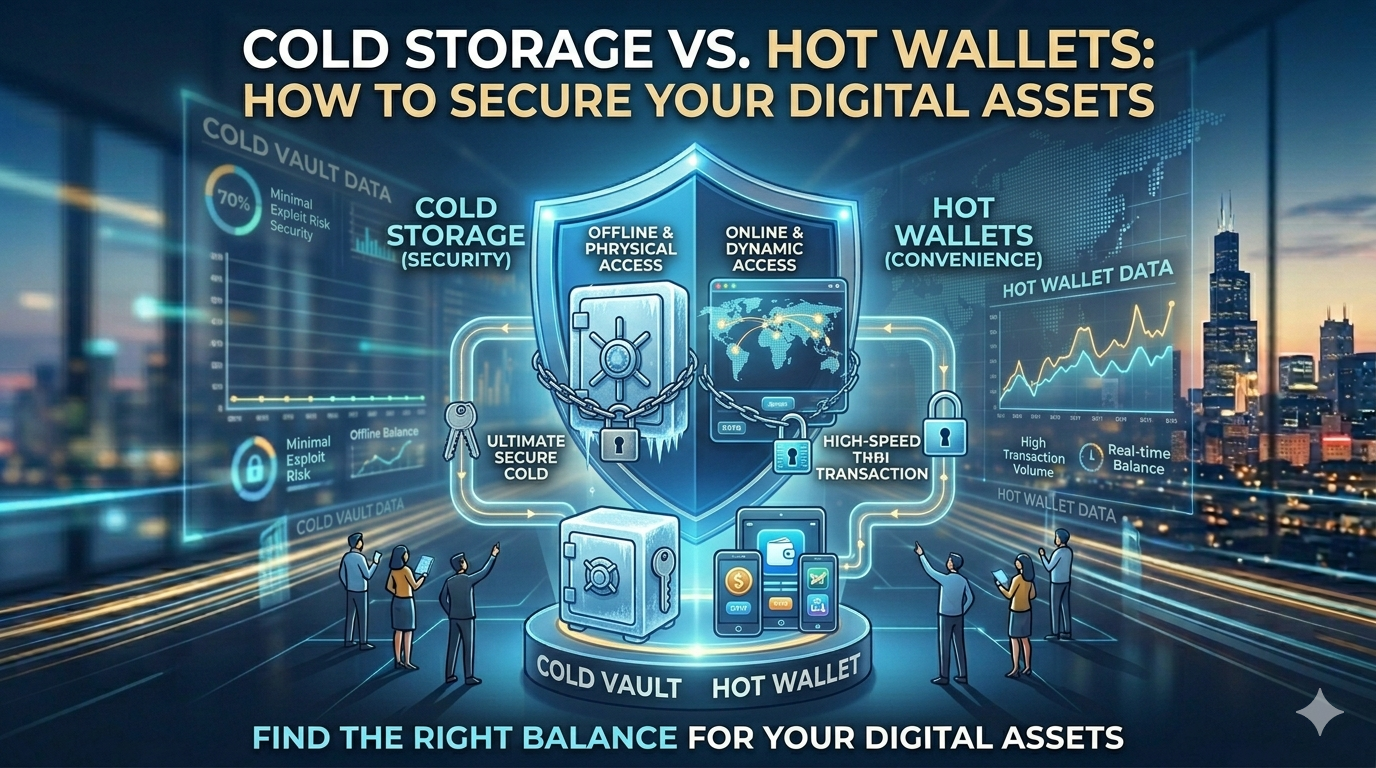
Storing your cryptocurrency safely isn’t optional—it’s essential. With cyberattacks on the rise and exchange hacks making headlines, choosing between cold storage vs. hot wallets is one of the most critical decisions you’ll make as a digital asset holder. Whether you’re holding Bitcoin, Ethereum, or altcoins, understanding how each storage method works—and which suits your needs—can mean the difference between peace of mind and financial loss.
What Are Hot Wallets and How Do They Work?
Hot wallets are digital wallets connected to the internet. They’re convenient, fast, and ideal for daily transactions. Examples include mobile apps like MetaMask, desktop wallets such as Exodus, and exchange-hosted wallets like those on Coinbase or Binance.
Because they’re online, hot wallets offer instant access to your funds. This makes them perfect for traders, frequent users, or anyone needing quick liquidity. However, this convenience comes at a cost: increased exposure to hacking, phishing, and malware attacks.
- Always online, enabling fast transactions
- User-friendly interfaces and seamless integration with dApps
- Higher risk due to constant internet connectivity
What Is Cold Storage and Why Is It Safer?
Cold storage refers to keeping your private keys completely offline. This method includes hardware wallets like Ledger or Trezor, paper wallets, and even offline USB drives. Since cold wallets aren’t connected to the internet, they’re immune to remote hacking attempts.
This makes cold storage the gold standard for long-term cryptocurrency holders—often called “HODLers.” If you’re storing large amounts of digital assets or planning to hold for years, cold storage offers unmatched security.
- Private keys never touch the internet
- Resistant to online threats like phishing and ransomware
- Ideal for securing significant holdings over time
Key Differences: Cold Storage vs. Hot Wallets
When comparing cold storage vs. hot wallets, the core difference lies in connectivity and use case. Hot wallets prioritize accessibility; cold wallets prioritize security.
Hot wallets are like your everyday wallet—great for small, frequent transactions. Cold wallets are more like a bank vault—designed to protect your wealth from theft.
Consider these factors when deciding:
- Frequency of use: Daily traders need hot wallets; long-term investors benefit from cold storage.
- Amount held: Small sums can stay in hot wallets; larger holdings should be moved offline.
- Technical comfort: Cold wallets require more setup and caution, especially during recovery.
Security Risks: What You Need to Know
Hot wallets, despite their ease of use, are prime targets for cybercriminals. Exchange wallets, in particular, have been compromised in major breaches, resulting in millions in losses.
Even reputable platforms can suffer vulnerabilities. Once your keys are exposed online, they’re at risk—no matter how strong your password is.
Cold wallets, by contrast, eliminate this risk. Since private keys are generated and stored offline, they can’t be accessed remotely. However, physical risks remain: losing your hardware wallet or forgetting your recovery phrase can result in permanent loss.
Always back up your seed phrase securely—ideally in a fireproof, waterproof location—and never share it digitally.
Best Practices for Securing Your Digital Assets
No storage method is 100% foolproof, but combining smart habits with the right tools drastically reduces risk.
- Use a hardware wallet for long-term storage of significant holdings.
- Keep only small amounts in hot wallets for daily use.
- Enable two-factor authentication (2FA) on all exchange and wallet accounts.
- Regularly update your software and avoid public Wi-Fi when accessing wallets.
- Verify URLs to avoid phishing sites—always double-check before logging in.
Many experts recommend a hybrid approach: use hot wallets for liquidity and cold storage for security. This balance lets you stay active in the market while protecting your core assets.
Key Takeaways
- Hot wallets are convenient for frequent transactions but carry higher security risks due to internet connectivity.
- Cold storage keeps private keys offline, offering superior protection for long-term holdings.
- The best strategy often combines both: use hot wallets for small, active funds and cold wallets for bulk storage.
- Always back up recovery phrases securely and never store them digitally.
- Stay vigilant against phishing, malware, and social engineering attacks.
FAQ
Q: Can I use both a hot wallet and cold storage at the same time?
A: Absolutely. Many users maintain a small balance in a hot wallet for trading or payments while storing the majority of their assets in cold storage for safety.
Q: Are hardware wallets worth the cost?
A: Yes, especially if you hold more than a few hundred dollars in crypto. Hardware wallets typically cost $50–$200 and provide enterprise-level security for personal use.
Q: What happens if I lose my hardware wallet?
A: As long as you’ve securely backed up your 12- or 24-word recovery phrase, you can restore your funds on a new device. Without the phrase, your assets are permanently inaccessible.
Choosing between cold storage and hot wallets isn’t about picking a winner—it’s about matching the right tool to your needs. By understanding the strengths and risks of each, you can build a secure, flexible strategy to protect your digital wealth in an increasingly volatile landscape.
