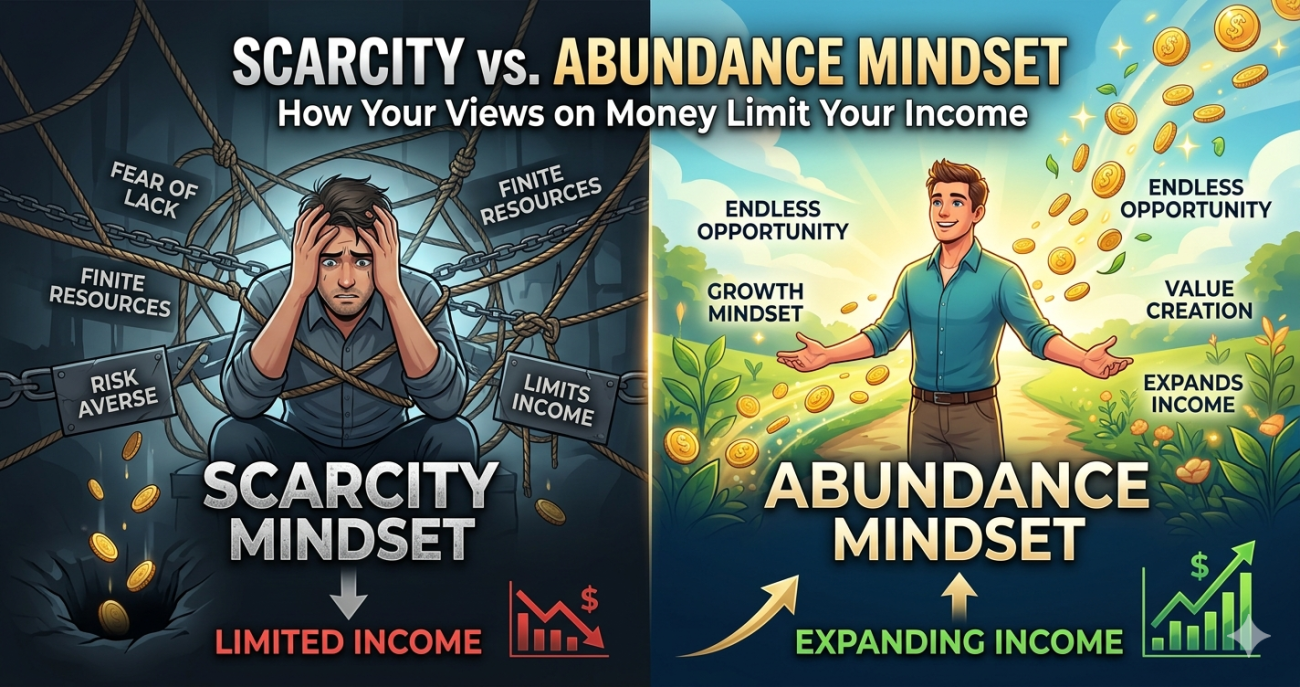
What if the real reason you’re not earning more isn’t a lack of skill, effort, or opportunity—but your mindset about money? The way you think about wealth directly shapes your financial reality. A scarcity mindset keeps you trapped in fear, hesitation, and self-imposed limits. In contrast, an abundance mindset opens doors to growth, innovation, and higher income. Understanding the difference between these two mental frameworks isn’t just psychology—it’s a game-changer for your bank account.
Your beliefs about money aren’t neutral. They influence every financial decision: from asking for a raise to launching a business. If you constantly worry about not having enough, you’ll act from a place of lack—avoiding risks, undercharging, and missing opportunities. But if you believe resources are plentiful and success is accessible, you’ll take bold, strategic actions that attract wealth. The shift from scarcity to abundance isn’t about wishful thinking. It’s a disciplined rewiring of your financial identity.
What Is the Scarcity Mindset?
The scarcity mindset is a psychological state where you believe there’s never enough—money, time, opportunities, or recognition. It’s rooted in fear and often stems from childhood experiences, past financial struggles, or societal messaging that equates money with survival.
People with a scarcity mindset tend to:
- Focus on what they lack rather than what they have
- Feel jealous or resentful of others’ success
- Avoid spending, even on investments in themselves
- Hesitate to ask for raises, charge higher rates, or pursue new ventures
- Believe that financial success is reserved for a lucky few
This mindset creates a self-fulfilling prophecy. When you act as if there’s never enough, you make decisions that reinforce that belief. You might stay in a low-paying job because “it’s safe,” or avoid networking because “no one will help me anyway.” These behaviors limit your earning potential, even if you’re highly skilled.
How Scarcity Limits Your Income
The scarcity mindset directly impacts your income in subtle but powerful ways. For example, someone afraid of losing money may never invest in their education or start a side hustle—even though those are proven paths to higher earnings. They might also underprice their services, believing clients won’t pay more, which devalues their work and reduces long-term profitability.
Moreover, scarcity thinking breeds stress and burnout. When you’re constantly worried about making ends meet, your creativity and strategic thinking suffer. You’re too busy surviving to thrive. This mental exhaustion makes it harder to spot opportunities or take calculated risks that lead to financial growth.
What Is the Abundance Mindset?
The abundance mindset is the belief that there’s enough to go around—and that your success doesn’t diminish others’. It’s not about ignoring financial realities, but about approaching money with confidence, generosity, and long-term vision.
Individuals with an abundance mindset:
- See opportunities instead of obstacles
- Invest in themselves and others
- Collaborate rather than compete
- Take calculated risks to grow their income
- Believe in their ability to create value and be rewarded for it
This mindset doesn’t mean ignoring budgeting or living recklessly. Instead, it means trusting that more money can be earned, more value can be created, and more opportunities will arise when you act with purpose and integrity.
How Abundance Expands Your Earning Potential
When you operate from abundance, you make decisions that compound over time. You’re more likely to ask for a promotion because you believe you deserve it. You’ll charge what you’re worth because you know your skills create real value. You might even mentor others, knowing that lifting others up doesn’t reduce your own success—it multiplies it.
Abundance thinking also fuels innovation. Entrepreneurs with this mindset don’t wait for “perfect” conditions—they create them. They see market gaps, launch products, and scale businesses because they believe in their ability to succeed. This proactive approach leads to higher income streams, whether through salary increases, passive income, or business profits.
The Hidden Cost of a Scarcity Mindset
Many people don’t realize how deeply a scarcity mindset affects their financial behavior. It’s not just about being frugal—it’s about making fear-based choices that limit long-term growth.
Consider these real-world consequences:
- Undercharging for services: Freelancers and consultants often price below market rate, fearing clients will say no. This devalues their expertise and forces them to work longer hours for less pay.
- Avoiding investments: Whether it’s a course, a certification, or a marketing tool, scarcity thinkers delay spending on growth, believing it’s too risky or unnecessary.
- Staying in unfulfilling jobs: Fear of instability keeps many in low-paying roles, even when they’re qualified for better positions.
- Neglecting relationships: Scarcity can lead to isolation—avoiding networking events or collaborations because “no one will help me.”
These behaviors create a cycle of financial stagnation. The more you act from lack, the more you reinforce the belief that you can’t earn more—even when opportunities are right in front of you.
How to Shift from Scarcity to Abundance
Changing your mindset isn’t about pretending everything is perfect. It’s about rewiring your beliefs through awareness, action, and repetition. Here’s how to begin the transition:
1. Acknowledge Your Money Beliefs
Start by identifying the stories you tell yourself about money. Do you believe “rich people are greedy” or “I’ll never have enough”? Write these thoughts down. Then challenge them. Ask: Is this belief helping me or holding me back?
2. Practice Gratitude Daily
Gratitude shifts your focus from lack to abundance. Each day, list three things you’re financially grateful for—even small wins like paying a bill on time or saving $10. This trains your brain to notice what’s working, not just what’s missing.
3. Take One Abundance-Aligned Action Weekly
Start small. This week, ask for a raise. Next week, invest $50 in a skill-building course. The following week, reach out to a potential collaborator. Each action builds confidence and proves that opportunities exist.
4. Surround Yourself with Abundant Thinkers
Your environment shapes your mindset. Spend time with people who believe in growth, generosity, and possibility. Join masterminds, attend industry events, or follow thought leaders who model financial confidence.
5. Reframe Failure as Feedback
Scarcity fears failure because it feels like proof of inadequacy. Abundance sees failure as data. If a business idea flops, ask: What did I learn? How can I apply this next time? This mindset turns setbacks into stepping stones.
Key Takeaways
- Your mindset about money directly influences your income potential.
- A scarcity mindset keeps you stuck in fear, undercharging, and avoiding opportunities.
- An abundance mindset empowers you to take risks, invest in growth, and attract higher earnings.
- Shifting your mindset requires awareness, consistent action, and a supportive environment.
- Small, intentional changes—like asking for a raise or investing in yourself—reinforce abundance thinking.
FAQ
Can someone with a scarcity mindset ever earn a high income?
Yes, but it’s often unsustainable. Someone may earn well through sheer effort or luck, but without an abundance mindset, they may burn out, fear losing their income, or sabotage opportunities. Long-term wealth requires a shift in belief, not just behavior.
How long does it take to change from a scarcity to an abundance mindset?
There’s no fixed timeline, but most people notice shifts within weeks of consistent practice. Like building a muscle, mindset change requires daily reinforcement—through gratitude, action, and reflection.
Is the abundance mindset just about being positive?
No. Abundance isn’t blind optimism. It’s a realistic belief that resources and opportunities exist, and that you have the ability to create value and earn more. It’s action-oriented, not just wishful thinking.
Final Thoughts
The difference between a scarcity and abundance mindset isn’t just philosophical—it’s financial. One keeps you playing small, while the other unlocks your full earning potential. You don’t need a miracle or a windfall to earn more. You need a shift in how you see yourself, your value, and the world of possibilities around you.
Start today. Challenge one limiting belief. Take one bold step. Celebrate one small win. Each action rewires your brain to expect more—and when you expect more, you naturally create the conditions to receive it.
