
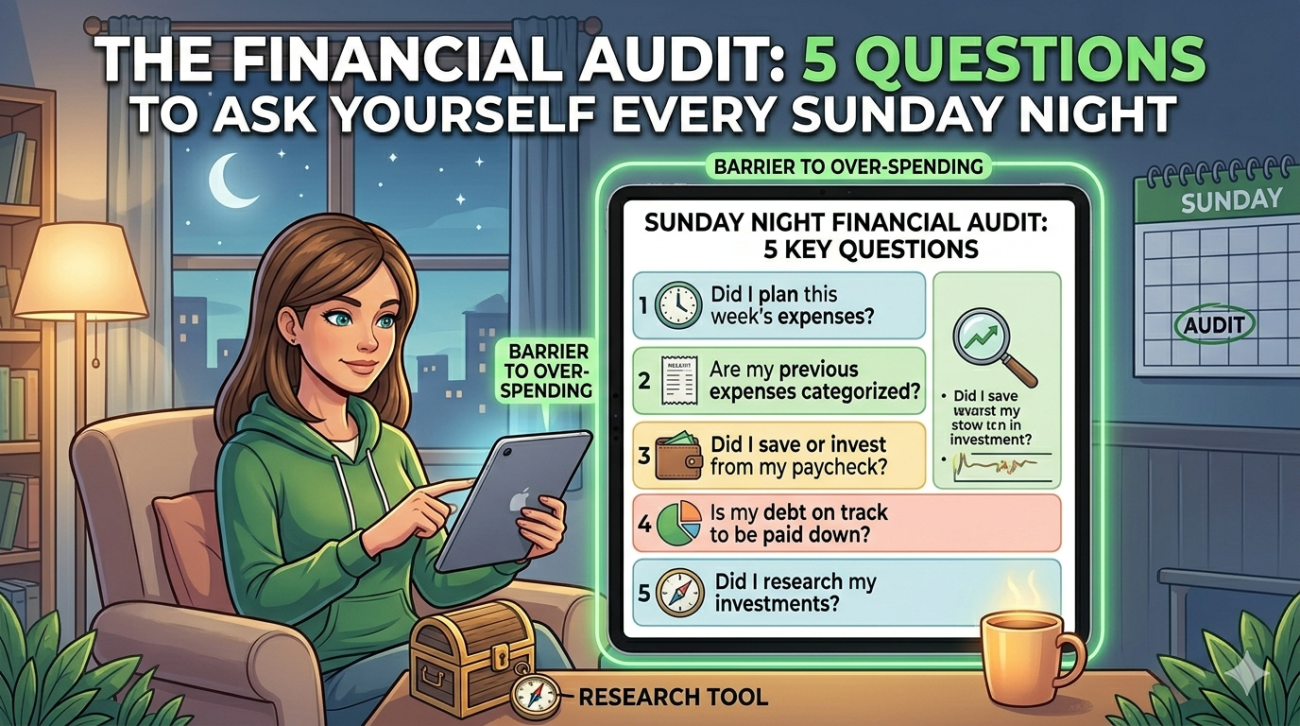
Ever feel like your money slips through your fingers without you noticing? You’re not alone. Most people track their spending haphazardly—or not at all—until it’s too late. That’s why a financial audit isn’t just for accountants or tax season. It’s a powerful weekly habit that puts you back in control. By asking yourself five key questions every Sunday night, you create a consistent rhythm of awareness, accountability, and progress. This simple routine transforms financial stress into clarity and sets the tone for a more intentional week ahead.
Think of your Sunday night financial audit as a personal board meeting with yourself. No spreadsheets required—just honesty, focus, and a few minutes of reflection. Whether you’re budgeting for groceries, saving for a vacation, or trying to get out of debt, this practice helps you stay aligned with your goals. And the best part? It takes less than 15 minutes. Let’s dive into the five essential questions that will reshape how you relate to your money.
Why a Weekly Financial Audit Matters
Many people wait until the end of the month—or worse, tax season—to review their finances. By then, small leaks have turned into floods. A weekly financial audit acts as an early warning system. It catches overspending, highlights progress, and keeps your financial goals visible. Unlike annual reviews, this habit builds momentum. You’re not just reacting to problems; you’re proactively managing your financial health.
Sunday nights are ideal because they offer a natural pause before the week begins. You’re mentally shifting from weekend mode to work mode, making it the perfect time to set financial intentions. This routine also reduces decision fatigue. When you’ve already reviewed your spending and adjusted your plan, you’re less likely to make impulsive purchases during the week.
Moreover, consistency builds confidence. Each week you complete this audit, you reinforce your commitment to financial wellness. Over time, this practice becomes second nature—like brushing your teeth or checking your calendar. It’s not about perfection; it’s about progress.
Question 1: Where Did My Money Go This Week?
This is the foundation of your financial audit. Before you can plan, you need to understand. Grab your bank statements, credit card receipts, or use a budgeting app to review every transaction from the past seven days. Don’t skip the small stuff—those $5 coffee runs add up fast.
Categorize your spending: groceries, dining out, subscriptions, transportation, entertainment, and savings. Be honest. Did you stick to your budget? Where did you overspend? More importantly, why? Was it stress, social pressure, or just lack of awareness?
This question isn’t about guilt—it’s about insight. You might discover that you’re spending $80 a week on takeout, or that a forgotten subscription is quietly draining $15 monthly. Once you see the pattern, you can make informed changes. Awareness is the first step toward control.
Pro Tip: Use the 80/20 Rule
You don’t need to analyze every single expense in detail. Focus on the 20% of categories that make up 80% of your spending. For most people, that’s housing, food, transportation, and entertainment. Spot-check the rest. This keeps your audit quick and effective.
Question 2: Did I Stick to My Budget?
A budget is only useful if you follow it. This question forces you to compare your actual spending against your planned budget. Did you stay within limits? If not, by how much? And which categories caused the overspending?
Don’t beat yourself up over small deviations. Life happens. But if you’re consistently overspending in one area—like dining out or online shopping—it’s a signal to adjust your budget or your habits. Maybe you need a more realistic food budget, or a “fun money” allowance to prevent guilt-driven splurges.
This is also the time to celebrate wins. Did you save more than planned? Pay off a credit card? Transfer money to your emergency fund? Acknowledge it. Positive reinforcement keeps you motivated.
How to Make Your Budget Stick
- Use the envelope method: Allocate cash for discretionary spending categories.
- Set up automatic transfers: Move savings to a separate account on payday.
- Review weekly, not monthly: Catch issues early before they spiral.
Question 3: What’s One Financial Goal I’m Making Progress On?
It’s easy to focus on what’s going wrong. But your financial audit should also include gratitude and recognition. Ask yourself: What goal am I moving toward? Is it building an emergency fund, paying off student loans, or saving for a home?
Then, measure your progress. Did you add $50 to your savings account? Make an extra $100 payment on your credit card? Even small steps count. Write it down. Seeing tangible progress boosts motivation and reinforces positive behavior.
If you’re not making progress, ask why. Is the goal too vague? Too ambitious? Do you need to adjust your timeline or strategy? This question keeps your goals alive and actionable.
Example: Turning Vague Goals into Action
Instead of “I want to save more,” try: “I will save $200 this month by cutting dining out by $50 and canceling one subscription.” Specific, measurable goals are far more likely to succeed.
Question 4: What’s One Thing I Can Improve Next Week?
Perfection isn’t the goal—progress is. Every week, identify one small change you can make to improve your financial habits. It could be packing lunch twice, using a cashback app, or setting a spending limit on your credit card.
The key is specificity. “Spend less” is too vague. “Limit weekend entertainment spending to $30” is actionable. Choose one area to focus on, and commit to it for the week. This prevents overwhelm and builds sustainable habits.
At the end of the week, revisit this question during your next audit. Did you succeed? If not, what got in the way? Use this feedback to refine your approach. Continuous improvement is the heart of financial wellness.
Common Areas for Improvement
- Reducing impulse purchases
- Automating bill payments to avoid late fees
- Negotiating a lower rate on subscriptions
- Using a budgeting app to track spending in real time
Question 5: Am I Protecting My Financial Future?
This question shifts your focus from the present to the future. Are you doing enough to secure your financial well-being long-term? Consider: Are you contributing to retirement accounts? Do you have an emergency fund? Is your insurance coverage adequate?
Even small actions count. Did you increase your 401(k) contribution by 1%? Open a high-yield savings account? Review your life insurance policy? These steps may seem minor now, but they compound over time.
This is also the time to ask bigger questions: Am I on track to retire when I want? Do I have a will or estate plan? While these topics can feel heavy, addressing them early reduces stress and risk later.
Quick Checklist for Financial Protection
- Emergency fund: 3–6 months of expenses saved
- Retirement savings: Contributing at least enough to get employer match
- Insurance: Health, auto, home/renters, and life (if applicable)
- Estate planning: Will, power of attorney, beneficiary updates
Key Takeaways
- A financial audit is a simple, weekly habit that builds awareness and control.
- Ask yourself five key questions every Sunday night to stay on track.
- Focus on progress, not perfection—small changes lead to big results.
- Use tools like budgeting apps, automatic transfers, and spending categories to simplify the process.
- Celebrate wins and learn from setbacks to maintain motivation.
FAQ
How long should a financial audit take?
Ideally, 10–15 minutes. The goal is consistency, not depth. Use tools like Mint, YNAB, or a simple spreadsheet to speed up the process. Over time, it will feel faster and more natural.
What if I don’t have a budget yet?
Start by tracking all your expenses for one week. Then, create a basic budget based on your actual spending. Your first audit will help you identify patterns and set realistic limits.
Can I do this audit on a different day?
Yes—Sunday is recommended because it sets the tone for the week, but any consistent day works. Choose a time when you’re relaxed and unlikely to be interrupted.
Final Thoughts
Your financial health doesn’t depend on a single big decision. It’s built through small, consistent actions—like a Sunday night financial audit. By asking yourself these five questions, you create a rhythm of reflection, adjustment, and growth. You’re not just managing money; you’re designing a life of freedom, security, and intention.
Start tonight. Grab a notebook or open your phone. Answer the questions. Then, commit to doing it again next week. In a few months, you’ll look back and wonder how you ever lived without this simple, powerful habit. Your future self will thank you.
