
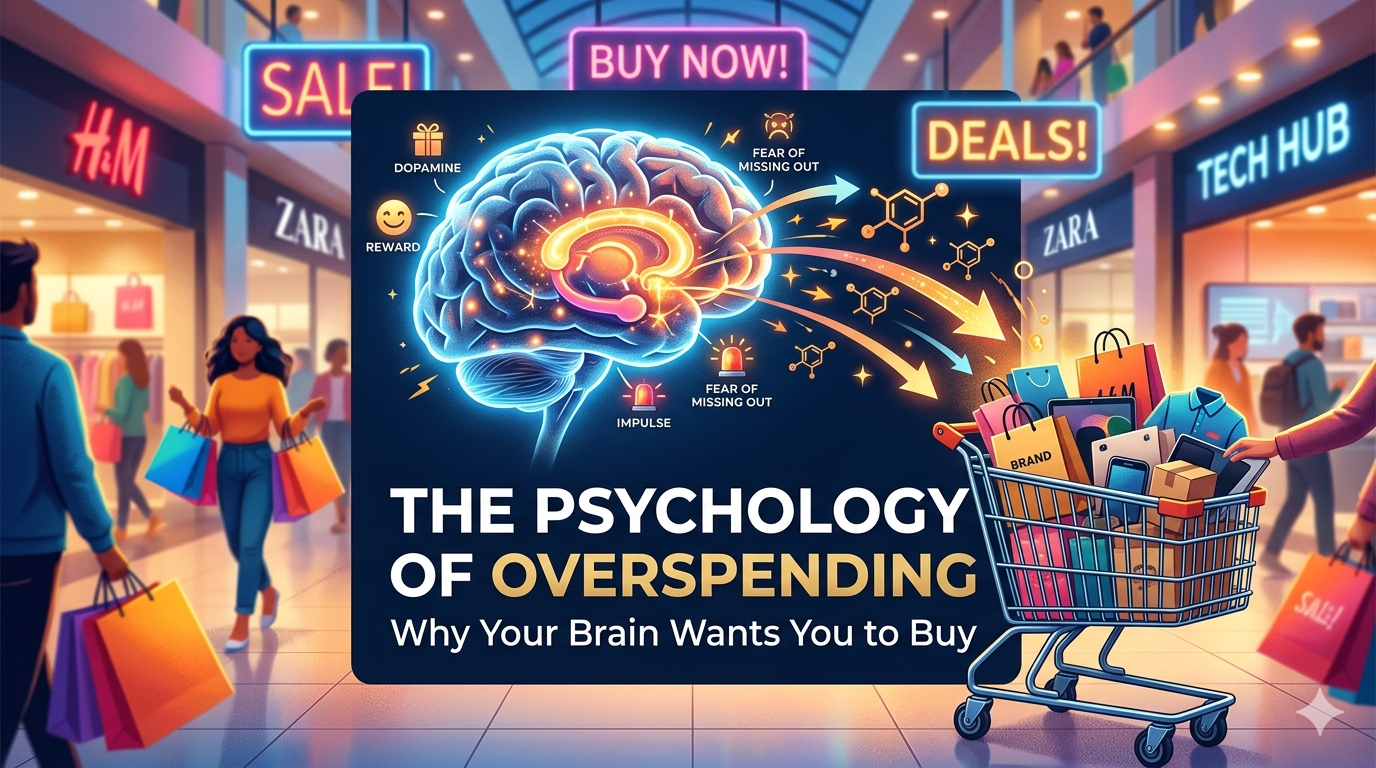
Ever walked into a store with a list—only to leave with things you didn’t plan to buy? You’re not alone. The psychology of overspending reveals why your brain is wired to encourage purchases, even when your wallet says otherwise. From dopamine hits to clever marketing tricks, your mind plays a powerful role in driving impulsive buying behavior. Understanding these hidden forces is the first step toward smarter spending.
How Your Brain Tricks You Into Buying More
Your brain isn’t neutral when it comes to spending—it’s actively pushing you toward purchases. Neuroscientists have found that buying activates the brain’s reward center, releasing dopamine, the same chemical triggered by food, sex, and drugs. This “shopping high” makes purchases feel good, even unnecessary ones.
Retailers exploit this biology. Flash sales, limited-time offers, and “only 3 left in stock!” messages trigger fear of missing out (FOMO), pushing you to act fast. Your brain interprets scarcity as urgency, bypassing logic and encouraging quick decisions.
- Dopamine-driven purchases create short-term pleasure but long-term regret.
- Scarcity tactics manipulate perception of value.
- Emotional spending often replaces real emotional needs with temporary relief.
The Role of Emotional Triggers in Overspending
Emotions heavily influence spending habits. Stress, loneliness, boredom, or even happiness can trigger buying sprees. This is known as emotional spending—using purchases to cope with feelings rather than addressing the root cause.
For example, after a tough day at work, you might buy comfort items like snacks, clothes, or gadgets. Your brain associates the purchase with relief, reinforcing the behavior. Over time, this creates a cycle where spending becomes a default response to emotions.
Common Emotional Triggers That Lead to Overspending
- Stress: Seeking control or distraction through shopping.
- Boredom: Filling empty time with browsing and buying.
- Social comparison: Keeping up with peers’ lifestyles on social media.
- Celebration: Rewarding yourself excessively for small wins.
Recognizing these patterns helps break the cycle. Instead of reaching for your wallet, try journaling, calling a friend, or taking a walk when emotions run high.
How Marketing Hijacks Your Decision-Making
Brands don’t just sell products—they sell feelings, identities, and solutions. Marketing leverages psychological principles to make you believe you need what they’re selling.
Anchoring is one such tactic. Ever seen a $1,000 coat next to a $300 one? The higher price makes the second seem like a bargain, even if it’s still overpriced. Your brain compares rather than evaluates absolute value.
Another trick? Decoy pricing. Adding a slightly worse option makes the target product look better by comparison. These subtle cues bypass rational thinking and appeal directly to emotion and instinct.
Other Psychological Marketing Tactics
- Free shipping thresholds: “Spend $50 more for free shipping” encourages extra purchases.
- Buy now, pay later: Splitting payments reduces perceived cost, increasing spending.
- Personalized recommendations: Algorithms learn your habits and suggest items you’re likely to buy.
Being aware of these strategies helps you pause and ask: “Do I really need this, or am I being manipulated?”
The Illusion of “Good Deals” and Discount Psychology
Sales and discounts feel like victories—but they’re designed to make you spend more. The phrase “50% off” triggers excitement, even if the original price was inflated.
Your brain focuses on the savings, not the final cost. This is called the sunk cost fallacy—once you believe you’re getting a deal, you’re more likely to complete the purchase, even if it wasn’t planned.
Retailers also use “charm pricing” ($9.99 instead of $10) to make prices seem lower. Studies show this small difference significantly increases sales, proving how much psychology influences perception.
Breaking the Cycle: How to Spend Mindfully
You can’t rewire your brain overnight—but you can build habits that reduce impulsive spending. Start by creating a 24-hour rule: wait a day before buying non-essential items. This cooling-off period helps separate emotion from decision.
Track your spending for a week. Note when and why you buy. You’ll likely spot patterns tied to mood, time of day, or specific triggers.
Simple Strategies to Reduce Overspending
- Use cash or debit instead of credit to feel the impact of spending.
- Unsubscribe from promotional emails and mute shopping apps.
- Set monthly spending limits for discretionary categories.
- Practice the “one in, one out” rule: don’t buy something new without removing something old.
Mindful spending isn’t about deprivation—it’s about aligning purchases with your values and goals.
Key Takeaways
- Your brain rewards spending with dopamine, making purchases feel good.
- Emotions like stress and boredom often drive unnecessary buying.
- Marketing uses psychological tricks to manipulate perception and urgency.
- Discounts and sales exploit cognitive biases to increase spending.
- Mindful habits like waiting periods and spending tracking can reduce impulsive purchases.
FAQ
Why do I keep buying things I don’t need?
Your brain links shopping to pleasure through dopamine release. Combined with emotional triggers and marketing tactics, this creates a cycle of impulsive buying. Recognizing these patterns is the first step to breaking them.
How can I stop overspending when I’m stressed?
Replace shopping with healthier coping mechanisms like exercise, journaling, or talking to a friend. Create a “stress response plan” that doesn’t involve spending.
Are sales really worth it?
Only if you were already planning to buy the item. Sales often encourage unnecessary purchases. Ask yourself: “Would I buy this at full price?” If not, it’s likely not a real deal.
