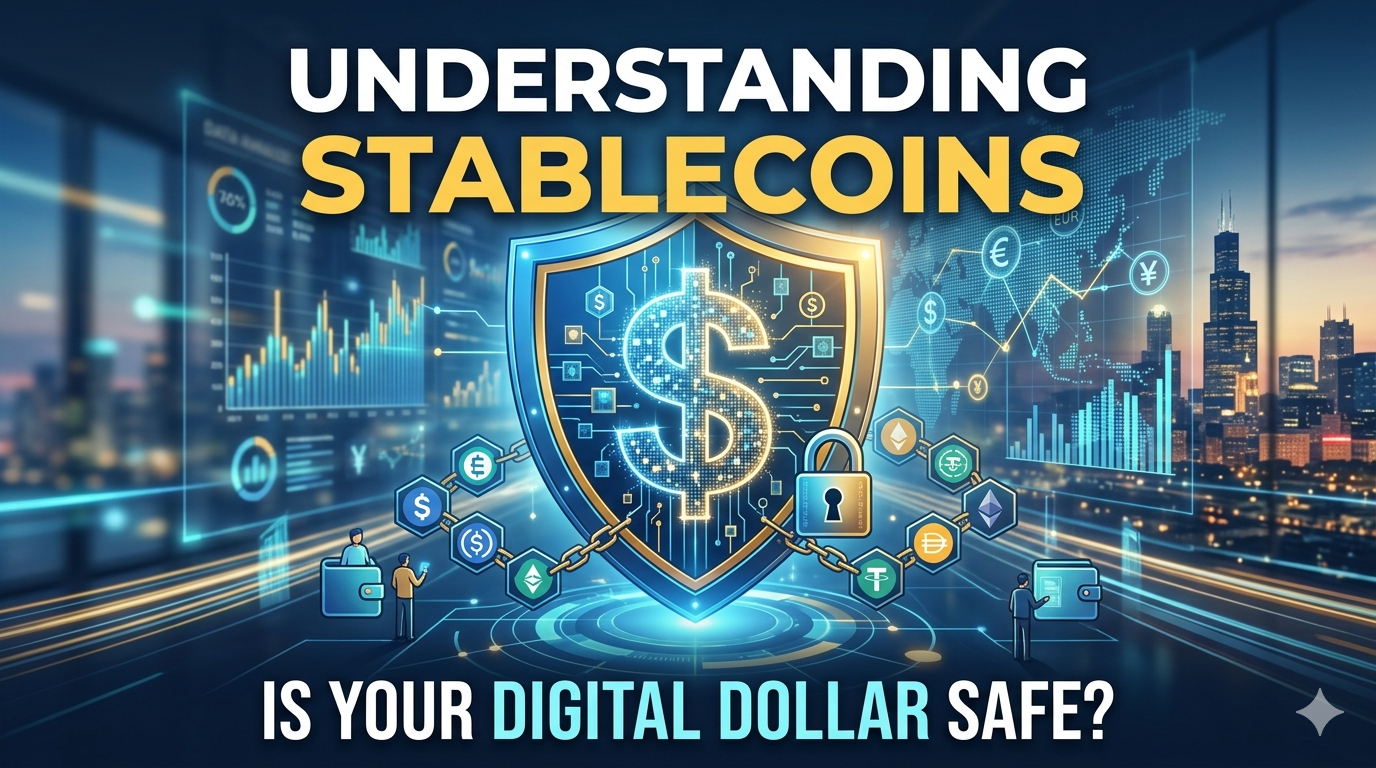
You’ve heard the term stablecoins—but do you really know what they are, or more importantly, whether your digital dollar is truly secure? As digital currencies gain mainstream traction, stablecoins have emerged as a bridge between volatile cryptocurrencies like Bitcoin and traditional fiat money. Designed to maintain a stable value, these digital assets promise reliability in an otherwise unpredictable market. But with growing scrutiny from regulators and occasional collapses shaking investor confidence, the big question remains: Is your digital dollar safe?
What Are Stablecoins and How Do They Work?
Stablecoins are a type of cryptocurrency pegged to a stable asset, most commonly the US dollar. Unlike Bitcoin or Ethereum, which can swing wildly in value, stablecoins aim to offer price stability by backing each token with reserves—such as cash, government bonds, or other liquid assets. This mechanism allows users to store value, transfer funds, or trade without exposure to crypto volatility.
There are three main types of stablecoins:
- Fiat-collateralized: Backed 1:1 by real-world currency held in bank accounts (e.g., USDT, USDC).
- Crypto-collateralized: Backed by other cryptocurrencies, often over-collateralized to absorb price swings (e.g., DAI).
- Algorithmic: Use smart contracts and algorithms to control supply and maintain the peg without direct collateral (e.g., failed projects like UST).
The most widely used stablecoins—like Tether (USDT) and USD Coin (USDC)—fall into the fiat-collateralized category, offering transparency and regulatory oversight that many users rely on for safety.
Are Stablecoins Really Safe? Examining the Risks
While stablecoins promise stability, they are not risk-free. The safety of your digital dollar depends heavily on the issuer’s transparency, reserve management, and regulatory compliance. High-profile incidents, such as the collapse of TerraUSD (UST) in 2022, exposed the fragility of algorithmic models and shook global markets.
Key risks to consider include:
- Counterparty risk: You’re trusting the issuer to hold sufficient reserves.
- Liquidity risk: If too many users redeem tokens at once, the issuer may struggle to pay out.
- Regulatory uncertainty: Governments are still shaping rules around stablecoin issuance and oversight.
- Transparency gaps: Some issuers have been criticized for unclear or delayed audits.
For example, Tether has faced scrutiny over whether its reserves fully back all circulating USDT. While the company now publishes regular attestations, critics argue these aren’t full audits. In contrast, USDC, issued by Circle, undergoes monthly audits by top accounting firms, offering greater assurance to users.
Regulatory Landscape: Who’s Watching the Watchers?
Governments and financial authorities are stepping in to regulate stablecoins, recognizing their potential to disrupt traditional finance. In the U.S., the Biden administration has called for stablecoin issuers to be treated like banks, requiring them to hold safe, liquid assets and undergo regular audits.
The European Union’s Markets in Crypto-Assets (MiCA) regulation, set to take full effect in 2024, will impose strict reserve and transparency requirements on stablecoin issuers. These moves aim to protect consumers and maintain financial stability, but they also mean the era of unregulated stablecoins is ending.
For users, this growing oversight is a double-edged sword. On one hand, it increases accountability and reduces the risk of fraud. On the other, it may limit innovation or lead to centralization, with only large, well-capitalized firms able to comply.
How to Protect Your Digital Dollar
If you’re holding or planning to use stablecoins, due diligence is essential. Not all stablecoins are created equal, and choosing a reputable issuer can make all the difference in safeguarding your funds.
Here’s how to protect your digital dollar:
- Choose regulated issuers: Opt for stablecoins like USDC or BUSD that comply with financial regulations.
- Check reserve reports: Look for regular, third-party audits or attestations of reserve holdings.
- Avoid algorithmic stablecoins: Unless you fully understand the mechanism, steer clear of unproven models.
- Diversify holdings: Don’t keep all your digital cash in one stablecoin or platform.
- Use trusted wallets and exchanges: Store your stablecoins in secure, reputable wallets with strong security features.
Remember: just because a token is called a “stablecoin” doesn’t mean it’s risk-free. The promise of a 1:1 peg is only as strong as the issuer’s ability to honor it.
Key Takeaways
- Stablecoins aim to combine the benefits of crypto with the stability of fiat currency.
- Your digital dollar is safest with fiat-backed, audited stablecoins like USDC.
- Algorithmic stablecoins carry higher risk and have led to major collapses.
- Regulation is increasing, which may improve safety but also centralize control.
- Always verify reserve transparency and choose trusted platforms.
FAQ
Are stablecoins insured like bank deposits?
No, stablecoins are not typically insured by government programs like the FDIC. Unlike cash in a bank account, your stablecoin holdings are not protected if the issuer fails—unless explicitly stated. Always check the terms and regulatory status of the stablecoin you’re using.
Can stablecoins lose their peg?
Yes, although rare for well-backed stablecoins, de-pegging can happen during market stress or if reserves are insufficient. The collapse of UST in 2022 is a stark reminder that even “stable” assets can fail under pressure.
Which stablecoin is the safest?
USD Coin (USDC) is widely considered one of the safest due to its full fiat backing, monthly audits, and regulatory compliance. Tether (USDT) is more widely used but has faced more scrutiny over reserve transparency.
