
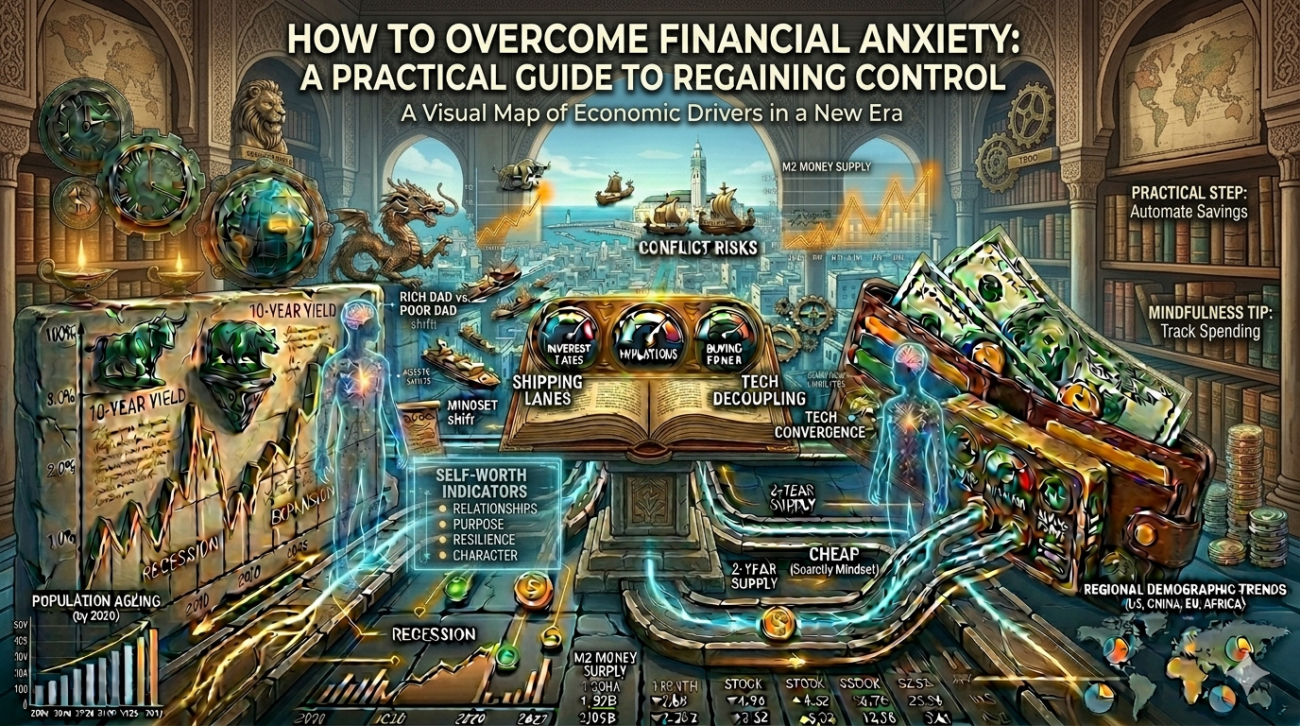
Feeling overwhelmed by money worries? You’re not alone. Financial anxiety affects millions, manifesting as sleepless nights, constant stress, and even physical symptoms like headaches or fatigue. The good news? It’s possible to overcome financial anxiety with the right mindset, tools, and consistent action. This guide walks you through proven, actionable steps to reduce money-related stress and build lasting peace of mind.
What Is Financial Anxiety—And Why Does It Happen?
Financial anxiety is more than just being concerned about bills. It’s a persistent, often debilitating fear about your financial situation—whether you’re living paycheck to paycheck, drowning in debt, or simply unsure about the future. This anxiety stems from uncertainty, lack of control, and societal pressure around wealth and success.
Common triggers include unexpected expenses, job insecurity, mounting debt, or comparing yourself to others on social media. Left unaddressed, financial anxiety can harm your relationships, work performance, and overall well-being.
Step-by-Step Strategies to Overcome Financial Anxiety
1. Face Your Finances Head-On
Avoidance only fuels anxiety. The first step to overcoming financial anxiety is to confront your money reality. Gather all your financial statements—bank accounts, credit cards, loans, and bills. Create a simple snapshot of your income, expenses, debts, and savings.
- List all monthly income sources
- Track every expense for one month
- Identify recurring debts and interest rates
This clarity reduces the unknown, which is often the biggest source of fear.
2. Create a Realistic Budget
A budget isn’t about restriction—it’s about empowerment. Use the 50/30/20 rule as a starting point: 50% for needs, 30% for wants, and 20% for savings and debt repayment. Adjust based on your situation.
Tools like spreadsheets or apps (Mint, YNAB, or even Google Sheets) can automate tracking and help you stay on course. When you know where your money goes, you regain a sense of control.
3. Build an Emergency Fund—Even Small Amounts Help
One of the biggest causes of financial anxiety is the fear of the unexpected. An emergency fund acts as a safety net. Start small: aim for $500, then work toward three to six months’ worth of living expenses.
Automate savings by setting up a recurring transfer to a separate account. Even $20 a week adds up and reduces the panic when surprises arise.
4. Tackle Debt Strategically
Debt can feel like a weight dragging you down. Use either the debt snowball (pay smallest debts first for quick wins) or debt avalanche (target highest-interest debts first) method. Choose the one that fits your personality and motivates you to keep going.
Consider speaking with a nonprofit credit counselor if you’re overwhelmed. They can help negotiate lower rates or create a manageable repayment plan.
5. Limit Financial Triggers
Social media, news headlines, and even conversations with friends can spike financial anxiety. Be mindful of your consumption. Unfollow accounts that make you feel inadequate. Set boundaries around money talk if it causes stress.
Instead, follow financial educators who promote calm, practical advice—not get-rich-quick schemes.
The Role of Mindset in Overcoming Financial Anxiety
Your thoughts shape your reality. If you constantly think, “I’ll never get out of debt,” you reinforce helplessness. Practice cognitive reframing: replace negative thoughts with balanced ones.
For example, instead of “I’m terrible with money,” try “I’m learning how to manage money better every day.” Small shifts in language can reduce anxiety and increase motivation.
Mindfulness and meditation also help. Just 5–10 minutes a day of deep breathing or guided meditation can lower stress hormones and improve decision-making.
When to Seek Professional Help
Sometimes, financial anxiety is a symptom of deeper issues like generalized anxiety disorder or trauma. If money worries interfere with daily life, sleep, or relationships, consider speaking with a therapist.
Many therapists specialize in financial psychology and can help you uncover emotional blocks around money. Therapy isn’t a luxury—it’s an investment in your long-term well-being.
Key Takeaways
- Financial anxiety is common but manageable with the right approach
- Start by understanding your current financial situation
- Create a realistic budget and build an emergency fund
- Tackle debt with a clear strategy
- Protect your mental health by limiting triggers and practicing mindfulness
- Seek professional support when needed
FAQ: Common Questions About Financial Anxiety
Q: Can financial anxiety ever go away completely?
A: While occasional money concerns are normal, chronic financial anxiety can significantly improve—and often disappear—with consistent habits, education, and emotional support. It’s not about eliminating all stress, but learning to manage it effectively.
Q: Is it okay to talk about money with friends or family?
A: Yes, but set boundaries. Open, honest conversations can reduce shame and build support. However, avoid comparisons or venting without seeking solutions. Focus on shared goals, not just problems.
Q: What if I don’t make enough money to save or pay off debt?
A: Start where you are. Even $5 saved or an extra $10 toward debt makes a difference. Look for side income opportunities, reduce non-essential spending, and explore community resources. Progress, not perfection, is the goal.
Overcoming financial anxiety isn’t about becoming a millionaire overnight. It’s about building confidence, one informed decision at a time. With patience, self-compassion, and the right tools, you can transform fear into freedom—and money from a source of stress into a tool for a better life.
