
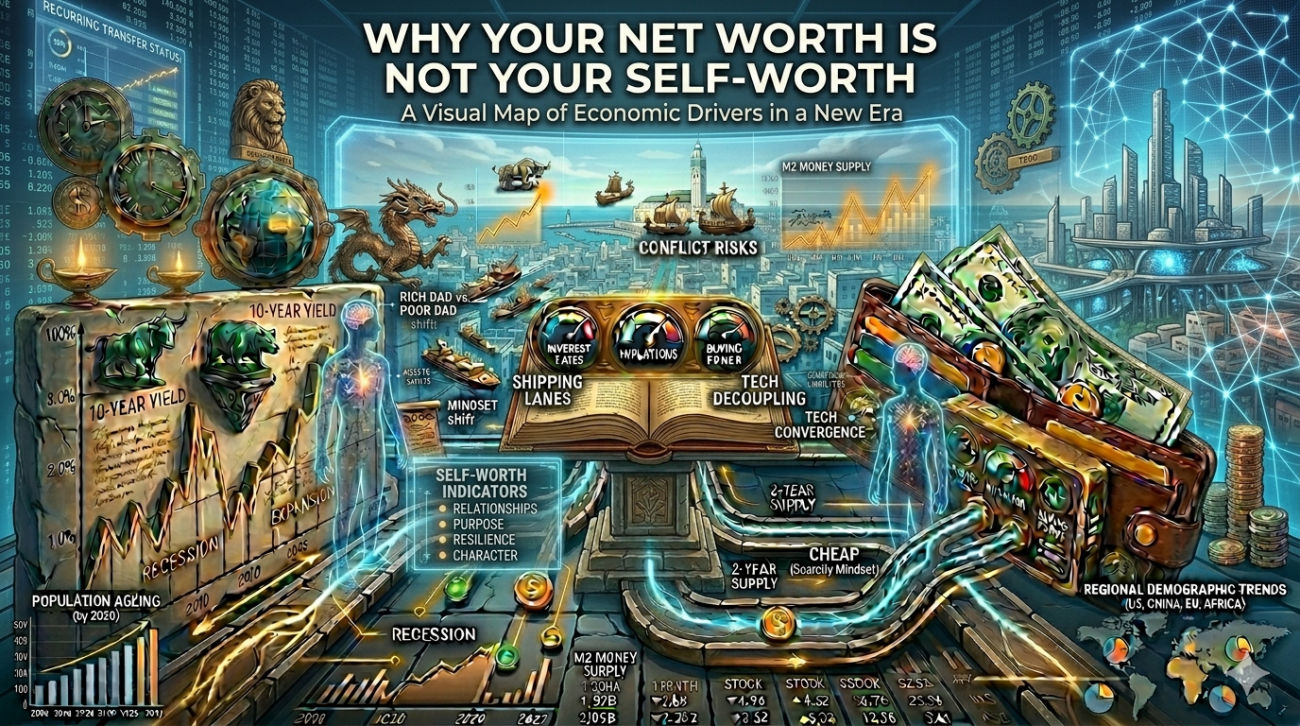
Let’s be honest—many of us measure our success by bank balances, job titles, or the car in the driveway. But here’s the truth your bank statement won’t tell you: your net worth is not your self-worth. Just because you have money doesn’t mean you’re valuable, and just because you’re struggling financially doesn’t mean you’re failing as a person. Your worth isn’t found in assets or income—it’s rooted in who you are, not what you own.
In a world obsessed with wealth, status, and visible success, it’s easy to confuse financial standing with personal value. Social media amplifies this illusion, showcasing luxury lifestyles and curated achievements. But real self-worth comes from character, resilience, kindness, and authenticity—not from credit scores or investment portfolios. Understanding this distinction is the first step toward a healthier relationship with money, identity, and self.
The Dangerous Myth of Financial Self-Worth
Society often equates net worth with personal worth. We praise high earners, idolize entrepreneurs, and judge others—and ourselves—based on financial milestones. But this mindset is flawed. Your net worth is a snapshot of financial health at a single moment. It can rise or fall due to market shifts, job loss, health issues, or plain bad luck.
Meanwhile, your self-worth should remain steady, grounded in values like integrity, empathy, and courage. Think of it this way: a billionaire who lacks compassion isn’t more worthy than a teacher earning modestly but touching hundreds of lives. True worth isn’t transactional—it’s human.
How Wealth Culture Distorts Identity
Wealth culture promotes the idea that more money equals more value. This belief can lead to:
- Chronic comparison with others
- Shame during financial hardship
- Overworking at the expense of health and relationships
- Defining personal success solely by income or possessions
These patterns don’t just harm mental health—they erode self-esteem. When your identity is tied to financial performance, setbacks feel like personal failures, not external circumstances. But life isn’t a spreadsheet. You are more than your credit score or savings account.
Redefining Worth Beyond the Balance Sheet
So how do you build self-worth that isn’t tied to money? Start by recognizing your inherent value. You matter simply because you exist—not because of your job title, car, or home value. Your worth is not earned; it’s given.
Consider these non-financial sources of value:
- Relationships: The love and trust you share with family and friends
- Growth: Your willingness to learn, adapt, and improve
- Contribution: How you help others, whether through work, volunteering, or kindness
- Resilience: Your ability to face challenges and keep going
- Authenticity: Living in alignment with your values, not societal expectations
These qualities don’t appear on a tax return, but they define a meaningful life. When you measure success by impact rather than income, you free yourself from the pressure to “keep up” with others.
The Emotional Cost of Confusing Net Worth with Self-Worth
When people tie their self-worth to finances, they often experience anxiety, shame, or imposter syndrome. Even those with high incomes may feel empty or inadequate. Why? Because money doesn’t fulfill emotional needs like belonging, purpose, or self-acceptance.
Conversely, financial struggles can lead to deep feelings of unworthiness. But poverty does not equal failure. Many people face systemic barriers—lack of access to education, healthcare, or fair wages—that have nothing to do with personal merit. Judging yourself harshly for circumstances beyond your control only deepens suffering.
True confidence comes from knowing your worth regardless of your bank balance. It’s the quiet strength of someone who says, “I may not have much, but I am enough.”
How to Build a Healthier Relationship with Money and Self
Separating net worth from self-worth isn’t about ignoring finances—it’s about balancing them with self-awareness. Here’s how to start:
- Practice self-compassion. Treat yourself with the same kindness you’d offer a friend facing hardship.
- Reframe financial setbacks. See them as learning opportunities, not reflections of your worth.
- Define success on your terms. What matters to you? Peace? Creativity? Connection? Honor those values.
- Limit comparison. Social media is a highlight reel—not reality. Focus on your journey.
- Celebrate non-monetary wins. Finished a project? Helped a neighbor? That’s worth celebrating.
When you stop letting money dictate your self-esteem, you gain freedom—to make choices aligned with your values, not fear or status.
Key Takeaways
- Your net worth measures financial health—not personal value.
- Self-worth comes from character, relationships, and authenticity, not income or possessions.
- Wealth culture often distorts identity, leading to anxiety and shame.
- You are inherently worthy, regardless of your bank balance.
- Building self-worth requires self-compassion, redefined success, and mindful boundaries with money.
FAQ
Can someone with a high net worth still have low self-worth?
Absolutely. Many wealthy individuals struggle with loneliness, anxiety, or imposter syndrome. Money doesn’t automatically bring happiness or self-acceptance. True self-worth comes from internal validation, not external achievements.
What if I’m struggling financially—does that mean I’m less valuable?
Not at all. Financial hardship doesn’t reflect your character or worth. Many factors—like systemic inequality, health issues, or job loss—affect income. Your value as a human being remains unchanged.
How can I stop comparing my net worth to others?
Focus on your own goals and values. Limit time on social media, practice gratitude, and remind yourself that visibility doesn’t equal reality. Celebrate your progress, not someone else’s highlight reel.
Remember: You are not your net worth. You are a complex, evolving human being with infinite worth—simply because you are here.
