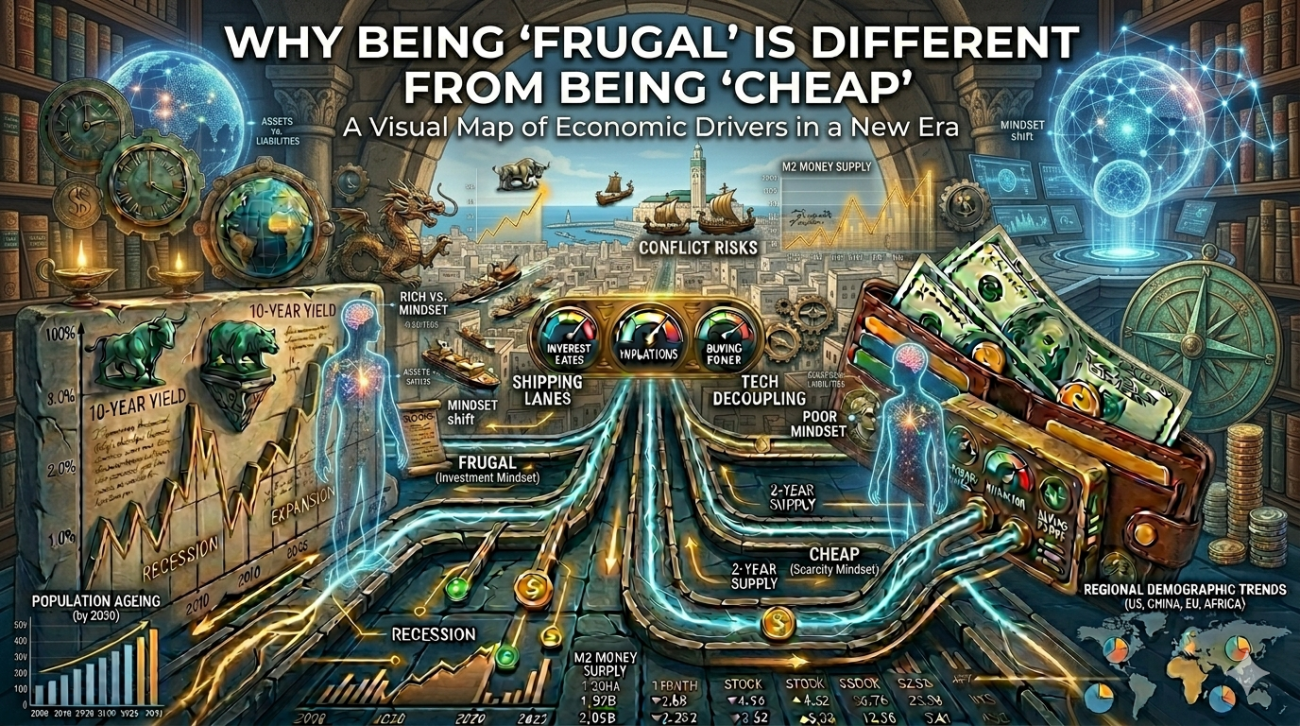
Many people use the words frugal and cheap interchangeably, but they represent two very different mindsets—especially when it comes to money, values, and long-term well-being. While both involve spending less, being frugal is about intentional, smart financial choices, whereas being cheap often means avoiding necessary expenses, even at the cost of quality, relationships, or personal growth. Understanding the difference between frugal vs cheap can transform how you manage your finances and live a more balanced, fulfilling life.
The Mindset Behind Frugality
Frugality is rooted in conscious spending and value-based decision-making. A frugal person doesn’t avoid spending—they spend wisely. They prioritize needs over wants, seek quality over quantity, and invest in experiences or items that offer long-term benefits. For example, a frugal shopper might buy a durable, slightly more expensive pair of shoes that last five years instead of replacing cheap ones every six months.
This mindset emphasizes financial discipline without sacrificing well-being. Frugal individuals often budget carefully, cook at home to save money, and use coupons or discounts—but they’re not afraid to spend when it aligns with their goals, like investing in education or health.
What Does It Mean to Be Cheap?
Being cheap, on the other hand, is often driven by a desire to spend as little as possible—regardless of the consequences. Cheapness can lead to poor decisions, such as skipping necessary car maintenance to avoid a repair bill or refusing to tip service workers despite receiving excellent service.
Unlike frugality, cheapness rarely considers long-term value or social impact. It’s not about saving money—it’s about avoiding spending, even when it harms relationships, health, or quality of life. A cheap person might hoard free samples, haggle over small amounts, or choose the lowest-cost option even if it’s unsafe or ineffective.
Key Differences at a Glance
- Frugal: Buys a high-quality mattress for better sleep and long-term health.
- Cheap: Sleeps on a worn-out couch to avoid buying any mattress.
- Frugal: Pays for a reliable internet connection to work remotely efficiently.
- Cheap: Uses public Wi-Fi exclusively, risking security and productivity.
- Frugal: Invests in preventive healthcare to avoid costly medical issues later.
- Cheap: Skips doctor visits to save on co-pays, leading to bigger health problems.
How Frugality Builds Wealth and Freedom
Frugality isn’t about deprivation—it’s about financial empowerment. When you make intentional spending choices, you free up money for what truly matters: paying off debt, building an emergency fund, investing, or traveling. Frugal living often leads to greater financial independence and reduced stress.
For instance, someone who cooks meals at home instead of dining out saves hundreds each month. That money can then go toward retirement savings or a down payment on a home. Frugality supports long-term financial goals without requiring extreme sacrifice.
The Social and Emotional Cost of Being Cheap
Cheapness can damage relationships and self-respect. Refusing to split a bill fairly, never treating others, or always expecting free help can make people feel undervalued. Over time, this behavior erodes trust and connection.
Moreover, being cheap often stems from fear—fear of running out of money, fear of loss, or insecurity. This mindset can trap people in a cycle of scarcity, where they’re so focused on saving pennies they miss out on meaningful experiences or opportunities.
Frugal Habits That Actually Improve Your Life
Adopting frugal habits doesn’t mean living a life of limitation. In fact, many frugal practices enhance quality of life:
- Meal planning: Reduces food waste and saves money while promoting healthier eating.
- Buying secondhand: Allows access to quality goods at a fraction of the price.
- Using public transportation or biking: Cuts costs and reduces environmental impact.
- Negotiating bills: Can lower monthly expenses without sacrificing service.
- DIY projects: Saves money and builds skills, from home repairs to crafting gifts.
These habits reflect a thoughtful approach to spending—one that values both financial health and personal well-being.
When Cheapness Crosses the Line
It’s important to recognize when cost-cutting becomes harmful. For example:
- Using expired medication to avoid a pharmacy trip.
- Ignoring a leaky roof until it causes major water damage.
- Refusing to pay for childcare, leaving a child unsupervised.
These choices may save money short-term but often lead to much higher costs—financially, emotionally, or physically—down the road. True frugality avoids such trade-offs by focusing on sustainable, responsible decisions.
Key Takeaways
- Frugal means spending wisely based on value and long-term goals.
- Cheap means avoiding spending, even when it’s necessary or beneficial.
- Frugality supports financial freedom, health, and strong relationships.
- Cheapness can lead to regret, damaged trust, and higher future costs.
- Smart frugal habits improve quality of life without sacrifice.
FAQ
Is it bad to be cheap?
Being cheap isn’t inherently bad, but it becomes problematic when it leads to poor decisions, harms relationships, or compromises health and safety. The key is to evaluate whether your cost-saving choices align with your values and long-term well-being.
Can someone be too frugal?
Yes. Extreme frugality can cross into deprivation if it prevents you from enjoying life, maintaining health, or nurturing relationships. Balance is essential—frugality should enhance your life, not restrict it.
How do I know if I’m being frugal or cheap?
Ask yourself: “Am I making this choice to save money for something important, or am I avoiding spending out of fear or habit?” If your decision supports your goals and values, it’s likely frugal. If it causes stress, guilt, or harm, it may be cheap.
