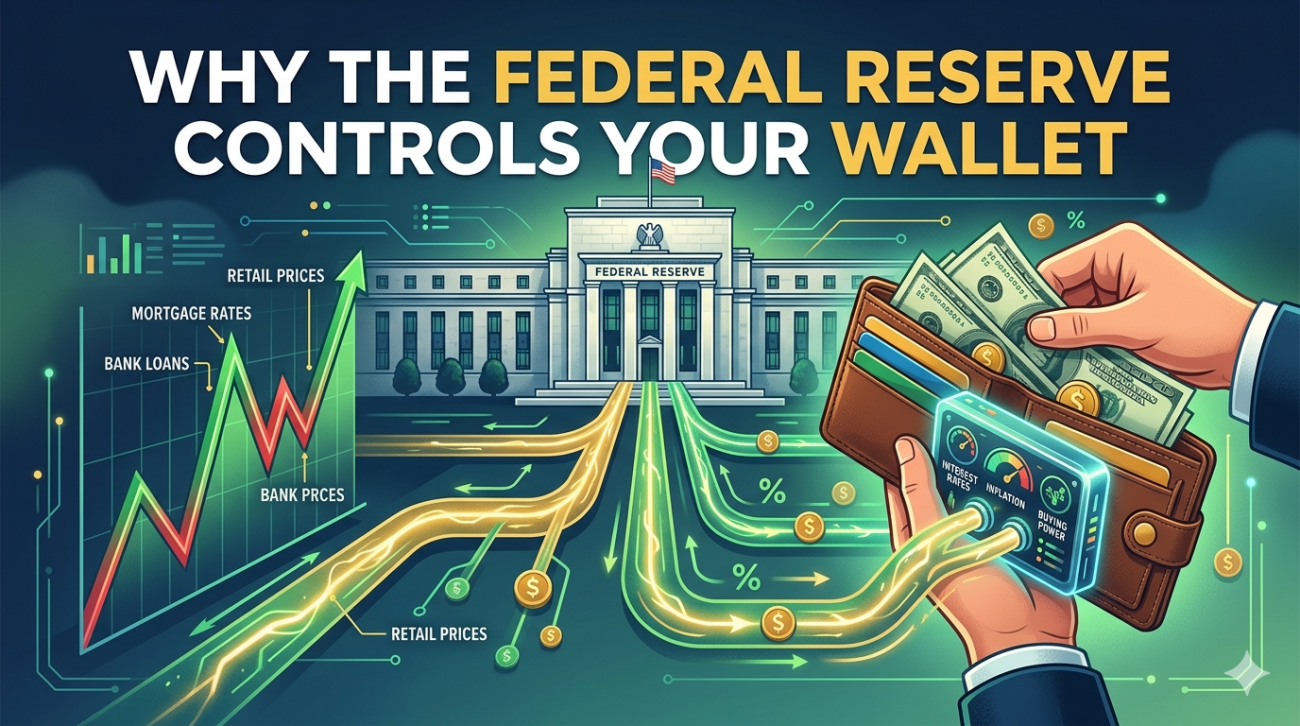
Every time you swipe your card, pay a bill, or check your savings account, the Federal Reserve is quietly shaping your financial reality. Though it operates behind closed doors in Washington, D.C., its decisions ripple through your wallet in ways you might not expect. From the interest rate on your mortgage to the price of groceries, the Fed’s monetary policy directly influences how much your money is worth and how far it stretches.
How the Fed Shapes Everyday Spending
The Federal Reserve doesn’t control prices directly, but it sets the stage for inflation, borrowing costs, and employment—all of which affect your daily expenses. When the Fed raises interest rates, loans become more expensive. That means higher monthly payments on car loans, credit cards, and adjustable-rate mortgages. Conversely, when rates drop, borrowing gets cheaper, potentially boosting consumer spending—but also risking inflation.
Inflation erodes purchasing power. If the Fed fails to manage it, a dollar today buys less tomorrow. This is why the Fed targets a 2% inflation rate—a balance between encouraging spending and maintaining value. When inflation spikes, as it did in 2022, everyday essentials like gas, rent, and food become significantly more expensive, directly impacting household budgets.
The Ripple Effect on Savings and Investments
Your savings account interest rate? That’s tied to the Fed’s benchmark rate. When the Fed raises rates, banks often follow, offering better returns on savings and CDs. But when rates are low, your money earns next to nothing—making it harder to grow wealth passively.
Stock markets also react to Fed policy. Investors watch Fed announcements like hawks, knowing that rate changes can shift corporate profits, consumer behavior, and market sentiment. A sudden rate hike can trigger market volatility, affecting retirement accounts and 401(k) balances overnight.
Why the Fed Targets Employment and Wages
The Federal Reserve has a dual mandate: maximum employment and stable prices. This means it doesn’t just care about inflation—it also influences job availability and wage growth. When the economy slows, the Fed may cut rates to stimulate borrowing and hiring. This can lead to more job opportunities and stronger wage growth, putting more money in your pocket.
But there’s a trade-off. Aggressive rate cuts can overheat the economy, leading to inflation. If wages rise too quickly without productivity gains, businesses may raise prices to cover costs—again affecting your wallet at the checkout counter.
The Hidden Cost of Easy Money
Low interest rates encourage spending and investment, but they can also inflate asset prices—like homes and stocks. This creates wealth for those who own assets but makes life harder for first-time homebuyers or savers relying on fixed incomes. The Fed’s policies can widen economic inequality, even as they aim to stabilize the economy.
Additionally, prolonged low rates may encourage risky financial behavior. Consumers take on more debt, and investors chase high returns in volatile markets. When the Fed eventually tightens policy, the adjustment can be painful—leading to job losses or market corrections.
How Fed Decisions Reach Your Bank Account
The Fed doesn’t send you a bill or adjust your bank balance directly. Instead, it uses tools like open market operations, the discount rate, and reserve requirements to influence the money supply and credit conditions. These actions affect how much banks lend and at what cost.
For example, when the Fed buys government bonds, it injects money into the banking system, lowering interest rates and encouraging lending. When it sells bonds, it pulls money out, tightening credit and raising rates. These moves cascade through the economy, eventually reaching your loan applications, credit card statements, and paycheck.
The Role of Expectations
Perhaps the Fed’s most powerful tool is communication. By signaling future policy moves—through speeches, reports, or press conferences—the Fed shapes public and market expectations. If consumers believe inflation will stay low, they’re more likely to spend. If businesses expect higher rates, they may delay expansion plans.
This psychological influence is subtle but profound. The Fed doesn’t just control money—it shapes behavior. And that behavior determines how you manage your finances, from saving for a house to deciding when to refinance a loan.
Key Takeaways
- The Federal Reserve influences your wallet through interest rates, inflation control, and employment policies.
- Rate changes affect borrowing costs, savings returns, and investment performance.
- Fed actions impact everyday expenses like housing, food, and transportation.
- The central bank’s dual mandate balances price stability with job growth—often creating trade-offs.
- Public perception and market expectations amplify the Fed’s real-world impact.
FAQ
How does the Federal Reserve affect my credit card interest rate?
Credit card rates are typically tied to the prime rate, which moves with the Fed’s benchmark interest rate. When the Fed raises rates, credit card APRs usually increase, making it more expensive to carry a balance.
Can the Fed cause a recession?
The Fed doesn’t cause recessions directly, but its policy decisions can contribute. Rapid rate hikes to combat inflation may slow economic growth too much, potentially triggering a downturn. Conversely, keeping rates too low for too long can fuel bubbles and instability.
Why doesn’t the Fed just eliminate inflation?
Some inflation is normal and even healthy for economic growth. The Fed aims for a 2% target to encourage spending and investment. Eliminating inflation entirely could lead to deflation, which discourages consumption and can stall economic activity.
