
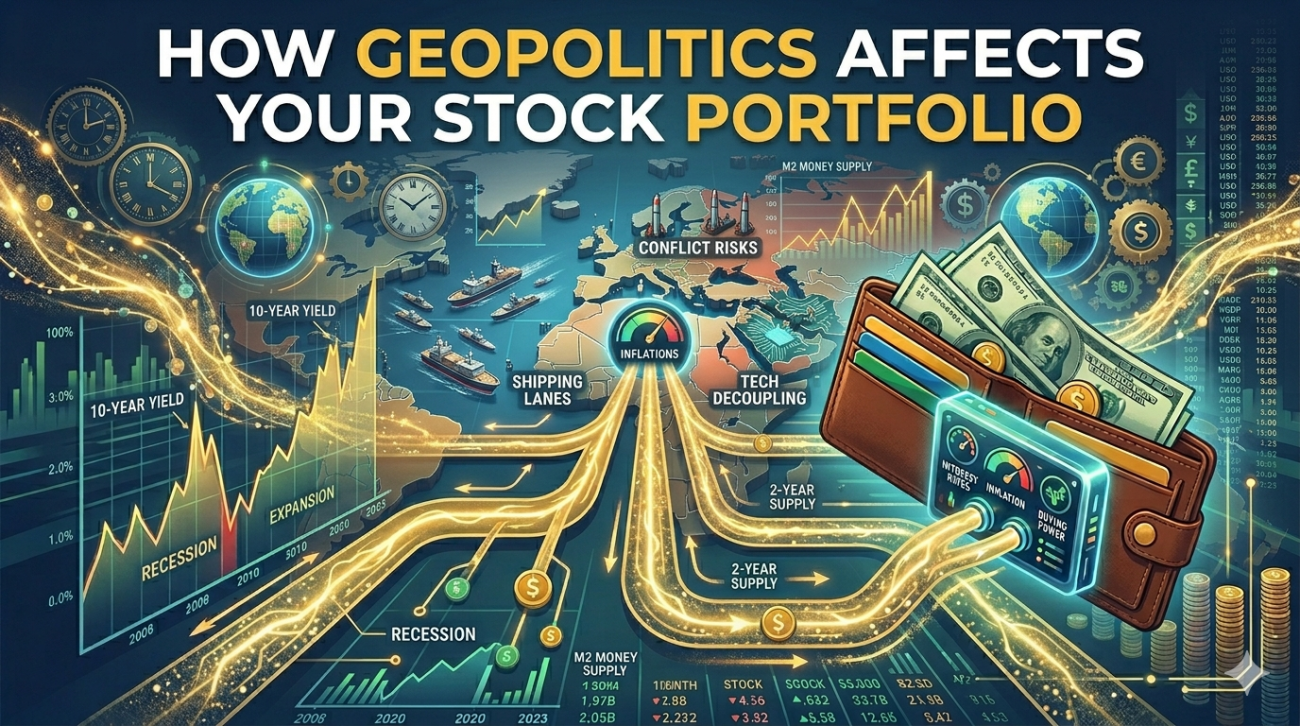
Geopolitics isn’t just for diplomats and news anchors—it directly impacts your stock portfolio. From trade wars to military conflicts, political decisions and international tensions can send shockwaves through global markets. Whether you’re invested in tech giants, energy firms, or emerging markets, understanding how geopolitical events influence stock performance is no longer optional—it’s essential for protecting and growing your wealth.
Why Geopolitical Risks Matter to Investors
Geopolitical risks refer to the potential for political instability, regulatory changes, or international disputes to disrupt economies and markets. These risks can alter supply chains, shift consumer behavior, and change government policies—all of which affect corporate earnings and stock valuations.
- Trade policies can suddenly increase tariffs, hurting export-dependent companies.
- Sanctions may cut off access to key markets or technologies.
- Military conflicts often spike oil prices, benefiting energy stocks but hurting airlines and manufacturers.
- Election outcomes can lead to regulatory shifts in healthcare, energy, or finance sectors.
For example, the U.S.-China trade tensions in 2018–2019 caused significant volatility in semiconductor and agricultural stocks. Investors who anticipated the impact were able to adjust their portfolios ahead of time.
Key Geopolitical Factors That Move Markets
1. Trade Wars and Tariffs
When countries impose tariffs or restrict trade, companies that rely on global supply chains face higher costs and reduced demand. Automakers, electronics manufacturers, and agricultural exporters are especially vulnerable. A single tweet from a world leader can trigger a market sell-off in affected sectors.
2. Energy Security and Oil Prices
Geopolitical instability in oil-producing regions—like the Middle East or Russia—can cause oil prices to surge. This benefits energy companies but increases costs for transportation, logistics, and manufacturing firms. Investors often rotate into energy stocks during such crises, while avoiding high-fuel-cost industries.
3. Sanctions and Financial Isolation
Economic sanctions can freeze assets, block transactions, or cut off access to international banking systems. When Russia was hit with sanctions after its invasion of Ukraine, Russian stocks plummeted, and global markets reacted with volatility. Even companies with minimal direct exposure faced indirect risks through disrupted supply chains.
4. Political Elections and Policy Shifts
Elections can bring sudden changes in taxation, regulation, or foreign policy. A new administration may favor green energy, boosting renewable stocks, or increase defense spending, lifting aerospace and defense companies. Investors who track political trends can position their portfolios accordingly.
How to Monitor Geopolitical Risks
Staying informed is the first step. But not all news is equally relevant. Focus on developments that have direct economic or market implications.
- Follow reliable international news sources with strong geopolitical coverage.
- Use risk assessment tools from financial institutions that score countries on political stability.
- Monitor central bank statements and government policy announcements.
- Track commodity prices, especially oil and gas, as early indicators of tension.
Many institutional investors use geopolitical risk indices—like the Geopolitical Risk (GPR) Index—to quantify potential market impacts. While individual investors may not have access to these tools, understanding their principles helps in making informed decisions.
Protecting Your Portfolio from Geopolitical Shocks
Diversification remains one of the most effective defenses. By spreading investments across regions, sectors, and asset classes, you reduce exposure to any single geopolitical event.
- Geographic diversification: Invest in both developed and emerging markets to balance risk.
- Sector rotation: Shift toward defensive sectors (like utilities or consumer staples) during times of uncertainty.
- Hedging strategies: Use options, inverse ETFs, or gold as hedges against market downturns.
- Cash reserves: Maintain liquidity to take advantage of buying opportunities during market dips.
For instance, during the 2020 pandemic and subsequent geopolitical tensions, investors who held gold or treasury bonds saw their portfolios perform better than those fully invested in equities.
Case Study: The Impact of the Russia-Ukraine War
The 2022 invasion of Ukraine is a prime example of how geopolitics affects stock portfolios. European markets dropped sharply, especially in countries with strong trade ties to Russia. Energy prices soared, boosting oil and gas stocks but hurting airlines and automakers.
Meanwhile, defense contractors like Lockheed Martin and Raytheon saw stock prices rise due to increased military spending. Investors who anticipated these shifts reaped significant gains, while others faced steep losses.
This event also accelerated the global push toward energy independence, benefiting renewable energy stocks and electric vehicle manufacturers in the long term.
Key Takeaways
- Geopolitics directly influences stock performance through trade, sanctions, energy prices, and policy changes.
- Investors must stay informed about global events and assess their potential market impact.
- Diversification, sector rotation, and hedging are critical strategies to manage geopolitical risk.
- Historical events like trade wars and military conflicts show both risks and opportunities for proactive investors.
FAQ
How can I predict which stocks will be affected by geopolitical events?
While no one can predict events with certainty, you can analyze a company’s exposure by reviewing its supply chain, customer base, and geographic operations. Companies with heavy reliance on international trade or operations in unstable regions are more vulnerable.
Should I sell my stocks during a geopolitical crisis?
Not necessarily. Panic selling often leads to losses. Instead, assess the long-term impact. Some crises create buying opportunities in undervalued stocks. A balanced approach—reviewing your portfolio and adjusting strategically—is usually wiser than reacting emotionally.
Are emerging markets riskier due to geopolitics?
Yes, emerging markets often face higher political and economic instability. However, they also offer higher growth potential. The key is to invest selectively, choose countries with improving governance, and avoid overexposure to any single region.
