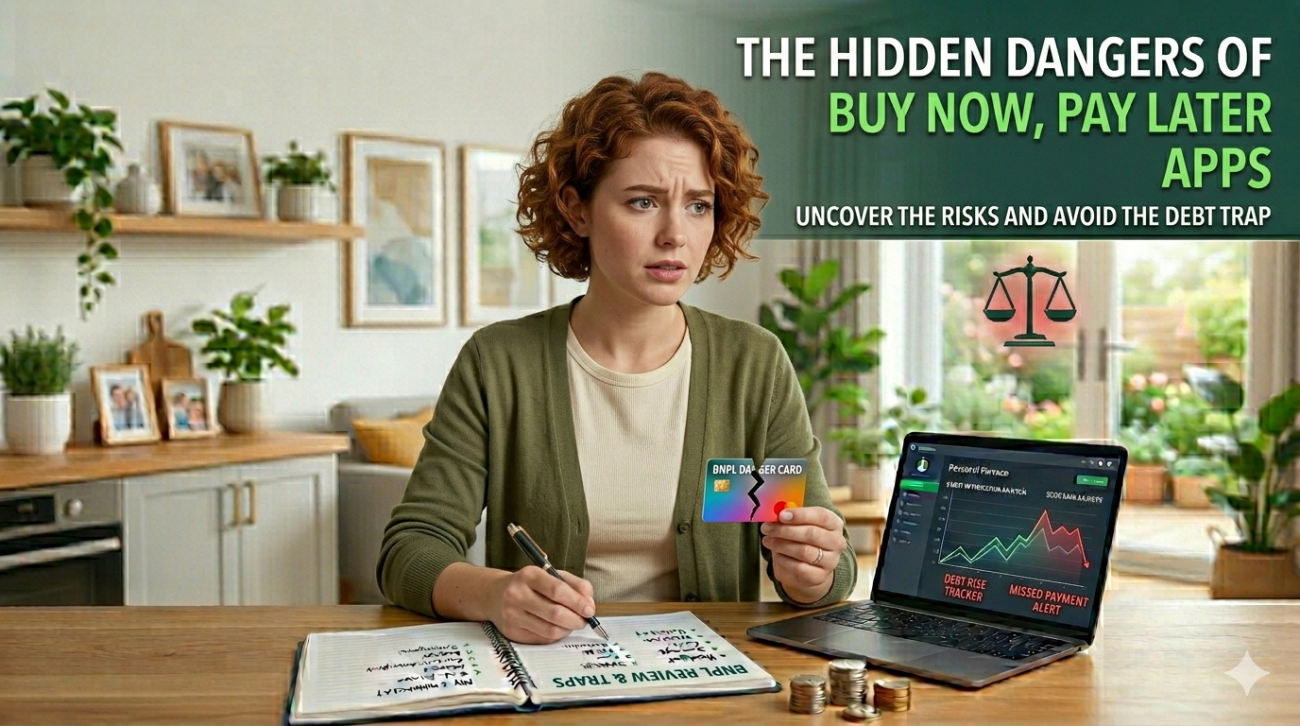
Buy Now, Pay Later (BNPL) apps like Afterpay, Klarna, and Affirm promise convenience—splitting purchases into smaller, manageable payments with little or no interest. But beneath the surface, these services carry serious financial risks that many users overlook. The danger of “Buy Now, Pay Later” apps isn’t just in missed payments—it’s in how easily they encourage overspending, normalize debt, and create a false sense of affordability. For consumers already stretched thin, BNPL can quickly turn from a helpful tool into a debt trap.
How BNPL Apps Encourage Overspending
One of the biggest dangers of “Buy Now, Pay Later” apps is their psychological effect on spending behavior. By breaking down large purchases into smaller installments, these platforms make expensive items feel more affordable—even when they’re not. This illusion of low cost can lead to impulsive buying and financial overextension.
- Instant gratification: BNPL reduces the immediate financial pain of a purchase, making it easier to justify unnecessary spending.
- Multiple accounts: Users often sign up for several BNPL services without realizing they’re accumulating debt across platforms.
- No credit check (initially): Many apps approve users instantly, bypassing traditional credit assessments that might flag risky borrowing.
Studies show that BNPL users are more likely to exceed their budgets and regret purchases. The convenience factor masks long-term consequences, especially for younger consumers who may not fully understand the implications of recurring payments.
Hidden Fees and Late Payment Penalties
While many BNPL services advertise “no interest,” that’s only true if you pay on time. Miss a payment, and the costs can pile up fast. Late fees, missed payment penalties, and even interest charges can turn a $200 purchase into a $300 debt in just a few weeks.
Unlike credit cards, BNPL apps don’t always report on-time payments to credit bureaus—so you don’t build credit by using them responsibly. But if you default? That negative mark can appear on your credit report, damaging your score and affecting future loan approvals.
Additionally, some BNPL providers charge processing fees or installment fees that aren’t always clearly disclosed upfront. These hidden costs erode the perceived savings and can catch users off guard.
Real-Life Consequences of BNPL Debt
Consider this scenario: You buy a $600 phone using a BNPL plan with four payments of $150. You miss the second payment due to an unexpected expense. Suddenly, you’re hit with a $30 late fee, and the remaining balance starts accruing interest at 20% APR. What began as a manageable plan now costs you nearly $700—and your credit score takes a hit.
This isn’t an isolated case. Consumer advocacy groups report a sharp rise in complaints about BNPL services, particularly around unclear terms, aggressive marketing, and difficulty canceling plans. Many users don’t realize they’re legally obligated to repay even if the product is defective or never delivered.
The Debt Spiral Risk
The danger of “Buy Now, Pay Later” apps becomes most apparent when users rely on them for everyday expenses—not just big-ticket items. When BNPL is used for groceries, utilities, or rent, it signals financial distress. But instead of addressing the root cause, users dig deeper into debt.
Because BNPL loans aren’t always visible on credit reports, lenders may not see the full picture of a borrower’s obligations. This can lead to over-lending, where someone qualifies for a mortgage or car loan while already juggling multiple BNPL debts. The result? A debt spiral that’s hard to escape.
Experts warn that BNPL is contributing to a new form of financial fragility, especially among Gen Z and millennials. Without proper financial literacy and spending discipline, these tools can do more harm than good.
Regulatory Gaps and Lack of Oversight
Unlike credit cards or personal loans, BNPL services operate in a regulatory gray area. In many countries, they aren’t classified as credit products, meaning they’re not subject to the same consumer protection laws. This lack of oversight allows companies to market aggressively and set terms that favor their profits over user well-being.
While some governments are beginning to regulate BNPL—such as requiring affordability checks and clearer disclosures—progress is slow. Until stronger rules are in place, consumers remain vulnerable to predatory practices.
Transparency is also an issue. Terms and conditions are often buried in fine print, and customer service can be difficult to reach when problems arise. This imbalance of power puts users at a disadvantage.
Key Takeaways: Protecting Yourself from BNPL Risks
- Use BNPL sparingly: Reserve it for planned, essential purchases—not impulse buys.
- Track all active plans: Keep a list of your BNPL accounts, due dates, and amounts to avoid missed payments.
- Read the fine print: Understand fees, interest rates, and what happens if you default.
- Avoid stacking services: Don’t use multiple BNPL apps simultaneously unless you’re certain you can manage all payments.
- Build an emergency fund: Relying on BNPL for unexpected expenses is a red flag. Save instead of borrowing.
FAQ: Common Questions About BNPL Risks
Can using BNPL hurt my credit score?
Yes, it can. While on-time payments often go unreported, missed or late payments may be sent to credit bureaus, damaging your score. Some providers also perform hard credit checks during sign-up, which can temporarily lower your score.
Is BNPL better than a credit card?
Not necessarily. Credit cards offer stronger consumer protections, rewards, and the ability to build credit. BNPL may seem cheaper upfront, but hidden fees and lack of regulation make it riskier for unprepared users.
What should I do if I can’t afford my BNPL payments?
Contact the provider immediately. Some offer hardship plans or payment extensions. Avoid ignoring the debt—it could lead to collections, legal action, or long-term credit damage.
The convenience of “Buy Now, Pay Later” apps is undeniable—but so are the risks. By understanding the danger of “Buy Now, Pay Later” apps, you can make smarter financial choices and avoid the pitfalls that trap so many consumers. Stay informed, spend mindfully, and always think twice before clicking “split into 4 payments.”
