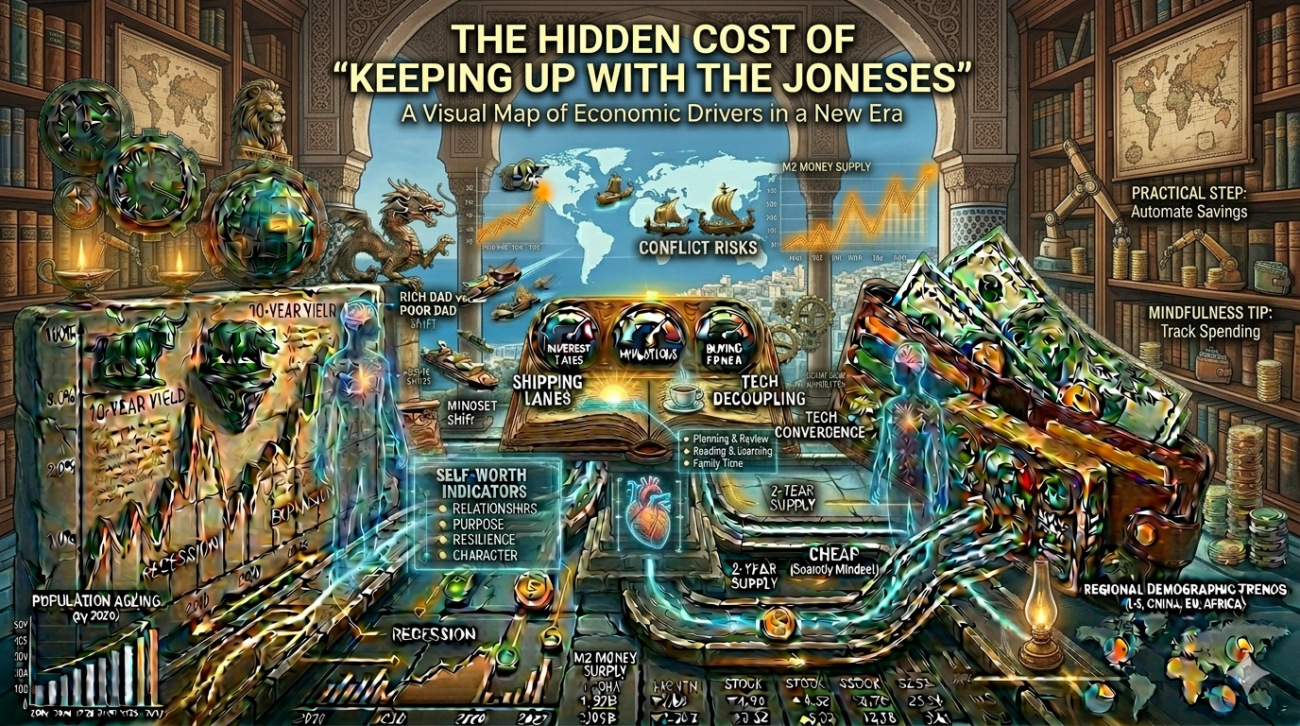
Ever felt the quiet pressure to buy the latest iPhone, drive a luxury car, or renovate your home just because your neighbor did? That’s the invisible hand of “keeping up with the Joneses”—a social trap that quietly drains your wallet, peace of mind, and long-term financial health. While it may seem harmless to match your lifestyle to those around you, the hidden cost of this mindset goes far beyond monthly credit card bills. It erodes savings, fuels debt, and distracts from what truly matters: financial freedom and personal fulfillment.
What Does “Keeping Up with the Joneses” Really Mean?
The phrase “keeping up with the Joneses” refers to the tendency to compare one’s lifestyle, possessions, and social status to others—often neighbors, friends, or colleagues. Originating in early 20th-century America, it describes the cycle of consumerism driven by social comparison rather than genuine need. Today, social media amplifies this behavior, turning everyday moments into curated performances of success.
This behavior isn’t just about materialism. It’s rooted in deep psychological needs: the desire for acceptance, validation, and belonging. But when these needs are met through spending, the consequences can be financially devastating.
The Psychology Behind the Pressure
- Social comparison theory: Humans naturally evaluate themselves against others, especially those in similar social circles.
- Fear of missing out (FOMO): Seeing peers enjoy vacations, gadgets, or homes triggers anxiety about being left behind.
- Status signaling: Expensive items are often used as shortcuts to signal success, even when income doesn’t support them.
These psychological drivers make it easy to justify unnecessary purchases, but they rarely lead to lasting happiness.
The Real Financial Toll of Lifestyle Inflation
One of the most insidious costs of keeping up is lifestyle inflation—the gradual increase in spending as income rises. Instead of saving or investing extra money, many people upgrade their cars, homes, or wardrobes to match perceived expectations.
This creates a dangerous cycle: higher expenses lead to less savings, which increases vulnerability to emergencies. A 2023 survey found that 60% of Americans couldn’t cover a $1,000 emergency without borrowing. For many, this fragility stems directly from lifestyle-driven spending.
Hidden Costs You Might Not See
- Depreciating assets: Luxury cars, designer clothes, and tech gadgets lose value quickly.
- Maintenance and upkeep: Bigger homes, pools, and vehicles come with higher utility, insurance, and repair bills.
- Opportunity cost: Money spent on status symbols could have been invested, earning compound returns over time.
Every dollar spent to impress others is a dollar not working for your future.
Emotional and Mental Health Consequences
The hidden cost of keeping up isn’t just financial—it’s emotional. Constant comparison breeds stress, anxiety, and dissatisfaction. No matter how much you acquire, there’s always someone with more, creating a never-ending treadmill of desire.
Studies show that materialistic individuals report lower life satisfaction and higher rates of depression. The pursuit of external validation rarely fills internal voids. Instead, it often deepens feelings of inadequacy.
Moreover, relationships can suffer. When spending becomes a competition, trust erodes. Friends may feel pressured to overspend, or worse, judge others for not “keeping up.”
How to Break Free from the Cycle
Escaping the “keeping up” trap starts with awareness. Recognize when spending is driven by comparison, not need. Ask yourself: “Do I want this, or do I want to be seen as someone who has this?”
Practical Steps to Reclaim Your Financial Freedom
- Define your values: Write down what truly matters—family, health, travel, security—and align spending with those priorities.
- Practice mindful spending: Implement a 48-hour rule before non-essential purchases.
- Limit social media exposure: Curate your feeds to reduce comparison triggers.
- Focus on experiences, not things: Research shows experiences bring longer-lasting happiness than material goods.
- Celebrate financial milestones: Paying off debt or hitting a savings goal is more rewarding than buying a new gadget.
Shifting focus from external validation to internal fulfillment is the first step toward sustainable happiness.
Key Takeaways
- The hidden cost of “keeping up with the Joneses” includes debt, stress, and lost financial opportunities.
- Lifestyle inflation and social comparison drive unnecessary spending.
- Material possessions rarely deliver lasting satisfaction.
- Breaking the cycle requires self-awareness, intentional spending, and redefining success on your own terms.
FAQ
Why do people feel pressured to keep up with others?
Humans are social creatures who seek acceptance and belonging. Comparing ourselves to others is natural, but social media and consumer culture amplify this tendency, making it feel like a necessity rather than a choice.
Can you enjoy nice things without falling into the “keeping up” trap?
Absolutely. Enjoying quality items is fine when they align with your values and budget. The key is intentionality—buying because you love something, not because you’re trying to impress others.
How can I talk to my partner about overspending due to social pressure?
Start with empathy, not blame. Share your concerns about financial stress and long-term goals. Frame the conversation around shared values and security, not criticism. Consider creating a joint budget that reflects both of your priorities.
