
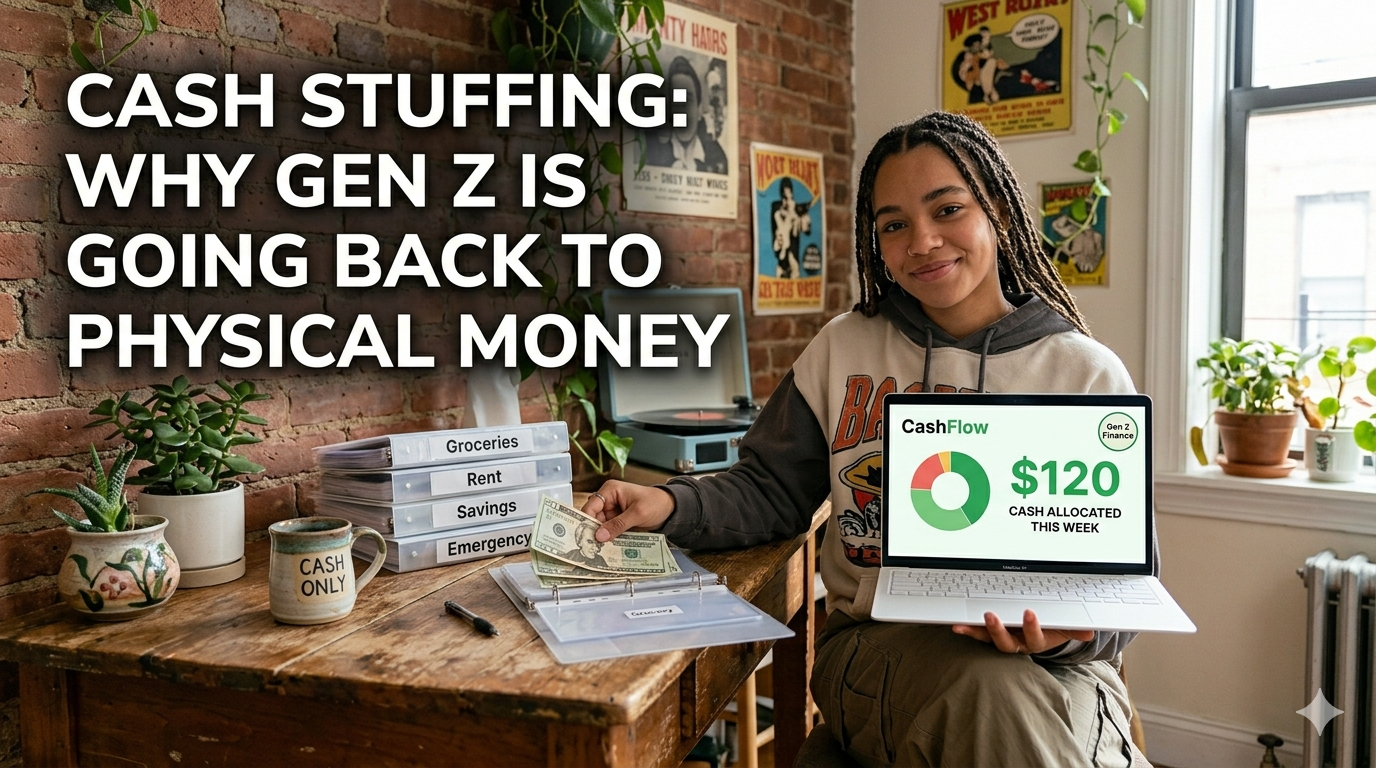
Move over digital wallets and budgeting apps—Gen Z is rediscovering the power of cold, hard cash. The trend known as cash stuffing is taking off among younger generations, who are trading screen-based banking for envelopes, jars, and literal stacks of bills. But why are digitally native teens and young adults suddenly embracing physical money in an era dominated by contactless payments and cryptocurrency?
The answer lies in psychology, financial anxiety, and a desire for tangible control. With rising inflation, student debt, and economic uncertainty, many Gen Zers feel overwhelmed by abstract digital balances. Cash stuffing offers a hands-on, visual way to manage spending—and it’s working. From TikTok tutorials to viral budgeting challenges, this retro method is reshaping how a new generation thinks about money.
The Rise of the Cash Envelope System
At the heart of cash stuffing is the cash envelope system, a budgeting method that dates back decades but has found new life on social media. Users divide their monthly income into labeled envelopes—groceries, dining out, entertainment, transportation—and only spend what’s physically inside each one.
This system forces intentional spending. When the envelope is empty, the spending stops. No overdrafts, no surprise subscriptions, no impulsive online purchases. For Gen Z, who grew up watching their parents struggle through financial crises, this level of control is empowering.
- Visual accountability: Seeing cash disappear makes spending real.
- Reduced impulse buys: No card means no easy checkout.
- Emotional connection: Handling money builds awareness and responsibility.
Why Digital Natives Are Ditching Digital Money
It may seem counterintuitive—why would a generation raised on smartphones reject digital payments? But experts point to several key factors driving the shift back to physical currency.
1. Mental Health and Financial Anxiety
Gen Z reports higher levels of financial stress than any previous generation. Constant notifications, fluctuating account balances, and invisible transactions can fuel anxiety. Cash stuffing provides clarity. When you can count your money, you feel more in control.
2. The Psychology of Spending
Studies show people spend up to 18% more when using cards instead of cash. The “pain of paying” is reduced with digital transactions. Physical money, on the other hand, creates a psychological barrier. Handing over a $20 bill feels more real than tapping a phone.
3. Social Media Influence
TikTok and Instagram have turned cash stuffing into a lifestyle trend. Influencers share “cash stuffing hauls,” where they reveal stacks of cash sorted into colorful envelopes. These videos go viral, inspiring millions to try the method. The aesthetic—neatly organized bills, handwritten labels, satisfying close-ups—adds a layer of satisfaction that apps can’t replicate.
How to Start Cash Stuffing: A Step-by-Step Guide
Ready to try cash stuffing? It’s simpler than you think. Follow these steps to get started:
- Track your spending: For one month, log every expense to understand your habits.
- Create a budget: Allocate funds to categories like rent, food, transport, and fun.
- Withdraw cash: Visit your bank or ATM and withdraw the total amount for discretionary spending.
- Label envelopes: Use envelopes, jars, or containers labeled by category.
- Stuff and spend: Only use cash from the correct envelope for each purchase.
- Reset monthly: At the start of each month, refill envelopes based on your budget.
Many users also incorporate a “fun money” envelope for guilt-free splurges—proving that cash stuffing isn’t about deprivation, but mindful spending.
Challenges and Criticisms of Cash Stuffing
While cash stuffing has clear benefits, it’s not without drawbacks. Critics argue that the method can be inconvenient, especially in a world where many businesses no longer accept cash. Safety is another concern—carrying large amounts of money increases theft risk.
Additionally, cash stuffing doesn’t earn interest or build credit. Unlike digital accounts, physical money sits idle, losing value over time due to inflation. For long-term wealth building, experts recommend combining cash stuffing with automated savings and investment strategies.
Still, for short-term budgeting and spending control, the method remains highly effective—especially for those struggling with overspending or financial overwhelm.
Key Takeaways
- Cash stuffing is a budgeting trend where users allocate physical cash to spending categories using envelopes.
- Gen Z is adopting it to combat financial anxiety, reduce impulse spending, and gain tangible control over money.
- The method leverages psychological principles—like the “pain of paying”—to encourage mindful spending.
- Social media has amplified the trend, turning budgeting into a shareable, aesthetic practice.
- While not a complete financial solution, cash stuffing works best as part of a broader money management strategy.
FAQ
Is cash stuffing only for people who are bad with money?
No. Cash stuffing is used by people at all income levels and financial literacy stages. It’s a tool for awareness and control, not a sign of poor money management. Many financially savvy individuals use it to stay on track with discretionary spending.
Can I use cash stuffing if I have a tight budget?
Absolutely. In fact, cash stuffing can be especially helpful for tight budgets. By limiting each category to a set amount of cash, you prevent overspending and ensure essential expenses are covered first.
What if I lose my cash or it gets stolen?
This is a valid risk. To minimize it, only carry what you need for the day, use a secure wallet, and avoid withdrawing large sums at once. Consider keeping backup funds in a separate location or using a hybrid approach with a small emergency card.
