
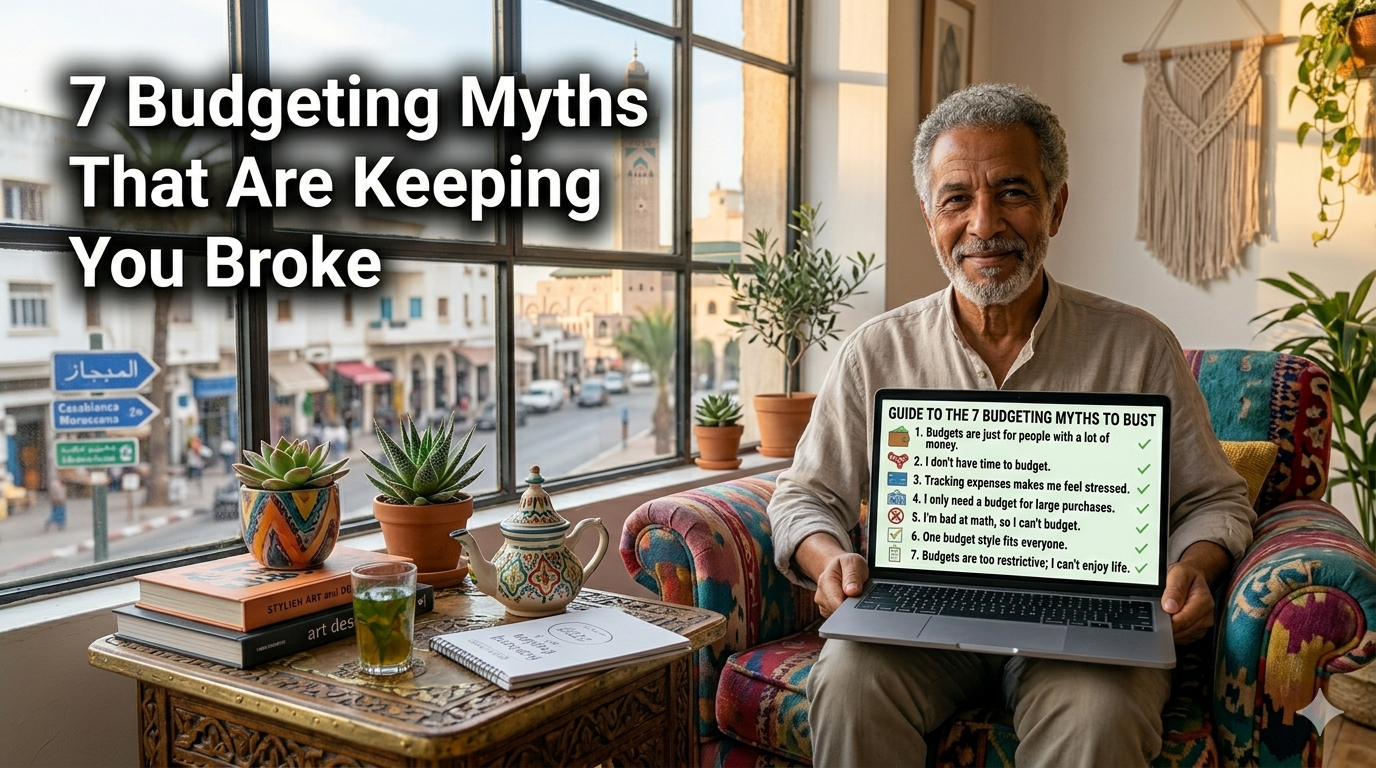
Are you tired of feeling like no matter how hard you try, your bank account stays empty? You’re not alone. Many people follow common budgeting advice that sounds smart—but actually keeps them stuck in financial struggle. These budgeting myths are quietly sabotaging your progress, making it harder to save, invest, or even breathe easy at the end of the month. The truth is, some of the most popular money tips are outdated, oversimplified, or just plain wrong. Let’s bust the seven biggest budgeting myths that are keeping you broke—so you can finally take control of your finances.
Myth 1: You Need a Perfect Budget to Start
Many people delay budgeting because they think they need a flawless, detailed plan before they begin. But perfection is the enemy of progress. Waiting for the “perfect” budget means you’re likely spending recklessly in the meantime. A simple tracking system—like noting every expense for a week—can reveal more than a complex spreadsheet ever could.
Start small. Use a notebook, a free app, or even a basic Excel sheet. The goal isn’t perfection—it’s awareness. Once you see where your money goes, you can make smarter choices without waiting for ideal conditions.
Myth 2: Budgeting Means You Can’t Enjoy Life
Another damaging belief is that budgeting equals deprivation. People assume that tracking every dollar means no dining out, no vacations, and no fun. But a real budget isn’t about restriction—it’s about intention. It helps you spend on what truly matters to you.
For example, if travel is important, allocate a specific amount each month for it. If you love coffee, budget for your daily latte instead of guilt-spending. When you plan for enjoyment, you avoid impulsive purchases and feel more in control.
Myth 3: Only People in Debt Need to Budget
This myth is especially dangerous because it pushes budgeting into the “crisis management” category. But budgeting isn’t just for those drowning in debt. It’s a tool for everyone—whether you’re earning $30,000 or $130,000.
High earners often fall into the “lifestyle inflation” trap, spending every extra dollar without planning. Without a budget, even six-figure incomes can vanish into unnecessary subscriptions, luxury upgrades, and impulse buys. Budgeting builds wealth, not just prevents debt.
Myth 4: Cutting Expenses Is Enough to Get Ahead
While reducing spending helps, it’s only half the equation. Many people focus so much on cutting coffee or canceling streaming services that they ignore income growth. You can only cut so much before you hit a wall.
The real path to financial freedom combines smart spending with increasing income. Look for side gigs, ask for a raise, or develop skills that boost your earning potential. A budget should support both saving and scaling—not just shrinking.
Myth 5: Budgeting Is Only About Numbers
Budgeting isn’t just math—it’s psychology. Ignoring the emotional side of money leads to frustration and failure. If you feel shame or stress about spending, you’re more likely to abandon your budget altogether.
Successful budgeters understand their money mindset. Do you spend to cope with stress? Do you overspend to keep up with others? Addressing these patterns is just as important as tracking expenses. Use your budget as a tool for self-awareness, not just calculation.
Myth 6: You Can Stick to a Budget Without Flexibility
Life happens. Car repairs, medical bills, or unexpected travel can derail even the best-laid plans. Rigid budgets often fail because they don’t account for real-life surprises.
Instead, build flexibility into your system. Include a “miscellaneous” category or an emergency fund within your budget. This buffer prevents guilt when things don’t go as planned and keeps you on track long-term.
Myth 7: Budgeting Is a One-Time Task
Some people create a budget once, file it away, and never look at it again. But your financial life evolves—your income, goals, and priorities change. A budget that worked last year might not fit today.
Review your budget monthly. Adjust for seasonal expenses, new goals, or income changes. Treat it like a living document, not a static plan. Regular check-ins keep you accountable and help you stay aligned with your financial vision.
Key Takeaways
- Budgeting myths like needing perfection or avoiding fun can trap you in financial stress.
- A budget should be flexible, intentional, and reviewed regularly—not rigid or punitive.
- True financial health comes from balancing spending cuts with income growth and emotional awareness.
- Start simple, stay consistent, and adjust as life changes.
FAQ
Is budgeting only for people with low income?
No. Budgeting benefits everyone, regardless of income level. High earners often overspend without a plan, leading to financial instability. A budget helps manage money wisely at any income.
Can I enjoy life and still stick to a budget?
Absolutely. A good budget includes room for enjoyment. By planning for fun expenses, you avoid guilt and impulsive spending, making it easier to stay on track.
What if my budget fails after a few weeks?
That’s normal. Budgeting is a skill that improves with practice. Instead of giving up, analyze what went wrong—was it too strict? Did you forget irregular expenses? Adjust and try again.
Breaking free from these budgeting myths that are keeping you broke is the first step toward real financial freedom. Don’t let outdated advice hold you back. Start today—with honesty, flexibility, and a plan that works for your life.
